Synthesizers - Directory w/ AI Reviews
Analog, digital, and hybrid synthesizers
Synthesizers are electronic instruments that generate audio signals to create a vast range of sounds, from realistic instrument emulations to entirely new sonic textures. They are foundational to electronic music, pop, film scores, and sound design. Modern synthesizers range from compact desktop modules to full-sized keyboard workstations.
History
Robert Moog introduced the first commercially successful synthesizer in 1964, using voltage-controlled oscillators, filters, and amplifiers. The Minimoog, released in 1970, was the first portable synthesizer and became a landmark instrument. The 1980s saw the rise of digital synthesis with the Yamaha DX7, and the 21st century has brought a renaissance in both analog and digital synthesis.
Characteristics
Synthesizers generate sound through various methods including subtractive, additive, FM, wavetable, and granular synthesis. Subtractive synthesis, the most common type, starts with harmonically rich waveforms and sculpts them using filters. Envelopes control how sounds evolve over time, while LFOs add movement through modulation of pitch, filter, and amplitude.
Notable Players
Wendy Carlos brought the Moog synthesizer into the mainstream with the 1968 album "Switched-On Bach." Kraftwerk pioneered electronic pop music in the 1970s using custom-built and commercially available synthesizers. Vangelis created the iconic "Blade Runner" and "Chariots of Fire" soundtracks predominantly using Yamaha CS-80 synthesizers.
Fun Facts
The Minimoog Model D has appeared on more hit records than any other synthesizer in history. A single modern wavetable synthesizer can produce more unique sounds than an entire orchestra of traditional instruments.
 1
4.8
1
4.8
 Moog Grandmother
Moog
$999
Intermediate
USA
A semi-modular analog synth accessible to newcomers with spring reverb and 21 patch points, delivering the iconic fat Moog sound in a colorful retro-inspired package.
Moog Grandmother
Moog
$999
Intermediate
USA
A semi-modular analog synth accessible to newcomers with spring reverb and 21 patch points, delivering the iconic fat Moog sound in a colorful retro-inspired package.
 2
4.8
2
4.8
 Moog Matriarch
Moog
$2,199
Advanced
USA
A four-voice paraphonic semi-modular with 90 patch points, dual analog delays, and dual Moog ladder filters, creating lush evolving soundscapes as a powerful modular hub.
Moog Matriarch
Moog
$2,199
Advanced
USA
A four-voice paraphonic semi-modular with 90 patch points, dual analog delays, and dual Moog ladder filters, creating lush evolving soundscapes as a powerful modular hub.
 3
4.8
3
4.8
 Moog Subsequent 37
Moog
$1,999
Advanced
USA
A paraphonic analog synth with two oscillators, Moog ladder filter, and multidrive circuit delivering the iconic thick Moog sound in a deeply programmable 37-key instrument.
Moog Subsequent 37
Moog
$1,999
Advanced
USA
A paraphonic analog synth with two oscillators, Moog ladder filter, and multidrive circuit delivering the iconic thick Moog sound in a deeply programmable 37-key instrument.
 4
4.8
4
4.8
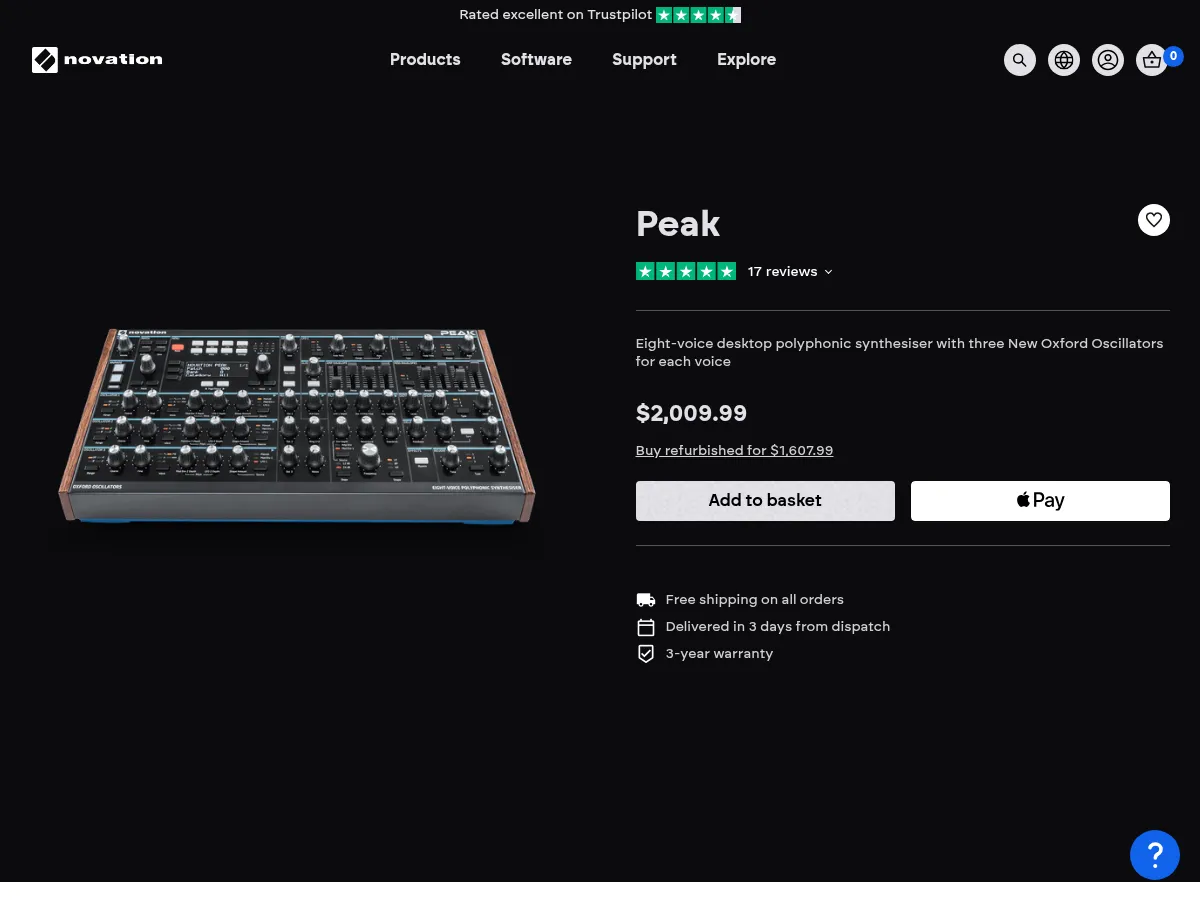
 Novation Peak
Novation
$1,499
Advanced
United Kingdom
An eight-voice desktop polysynth combining NCO oscillators with genuine analog filters and VCAs, featuring wavetable mode, FM synthesis, and 17 filter modes in a compact metal chassis.
Novation Peak
Novation
$1,499
Advanced
United Kingdom
An eight-voice desktop polysynth combining NCO oscillators with genuine analog filters and VCAs, featuring wavetable mode, FM synthesis, and 17 filter modes in a compact metal chassis.
 5
4.8
5
4.8
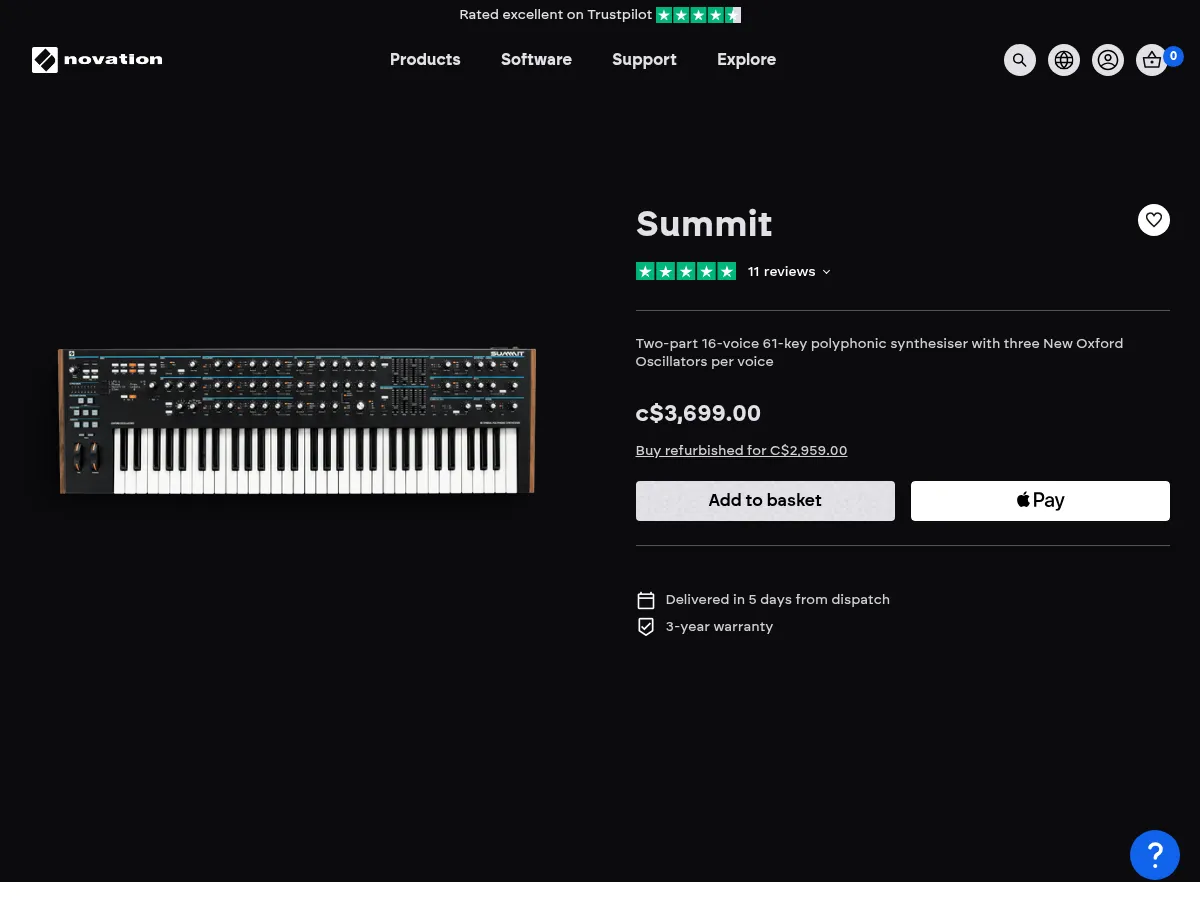
 Novation Summit
Novation
$2,499
Professional
United Kingdom
A 16-voice bi-timbral polysynth housing two Peak engines with 61-key aftertouch keyboard, delivering expansive analog sound with digital flexibility for professional performance.
Novation Summit
Novation
$2,499
Professional
United Kingdom
A 16-voice bi-timbral polysynth housing two Peak engines with 61-key aftertouch keyboard, delivering expansive analog sound with digital flexibility for professional performance.
 6
4.8
6
4.8
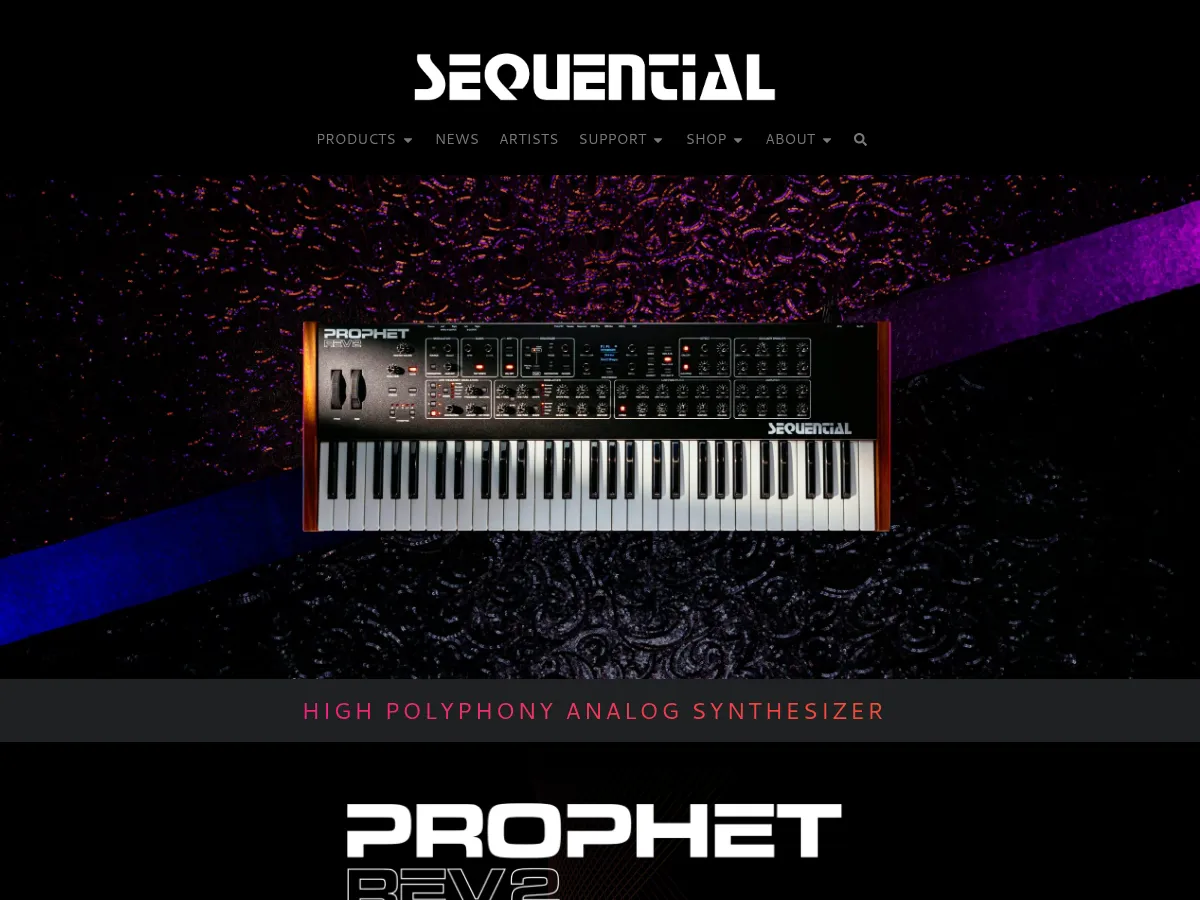
 Sequential Prophet Rev2
Sequential
$1,999
Advanced
USA
16-voice polyphonic analog synthesizer with Curtis filters, powerful modulation matrix, and bi-timbral capability for deep, rich analog sound design.
Sequential Prophet Rev2
Sequential
$1,999
Advanced
USA
16-voice polyphonic analog synthesizer with Curtis filters, powerful modulation matrix, and bi-timbral capability for deep, rich analog sound design.
 7
4.8
7
4.8
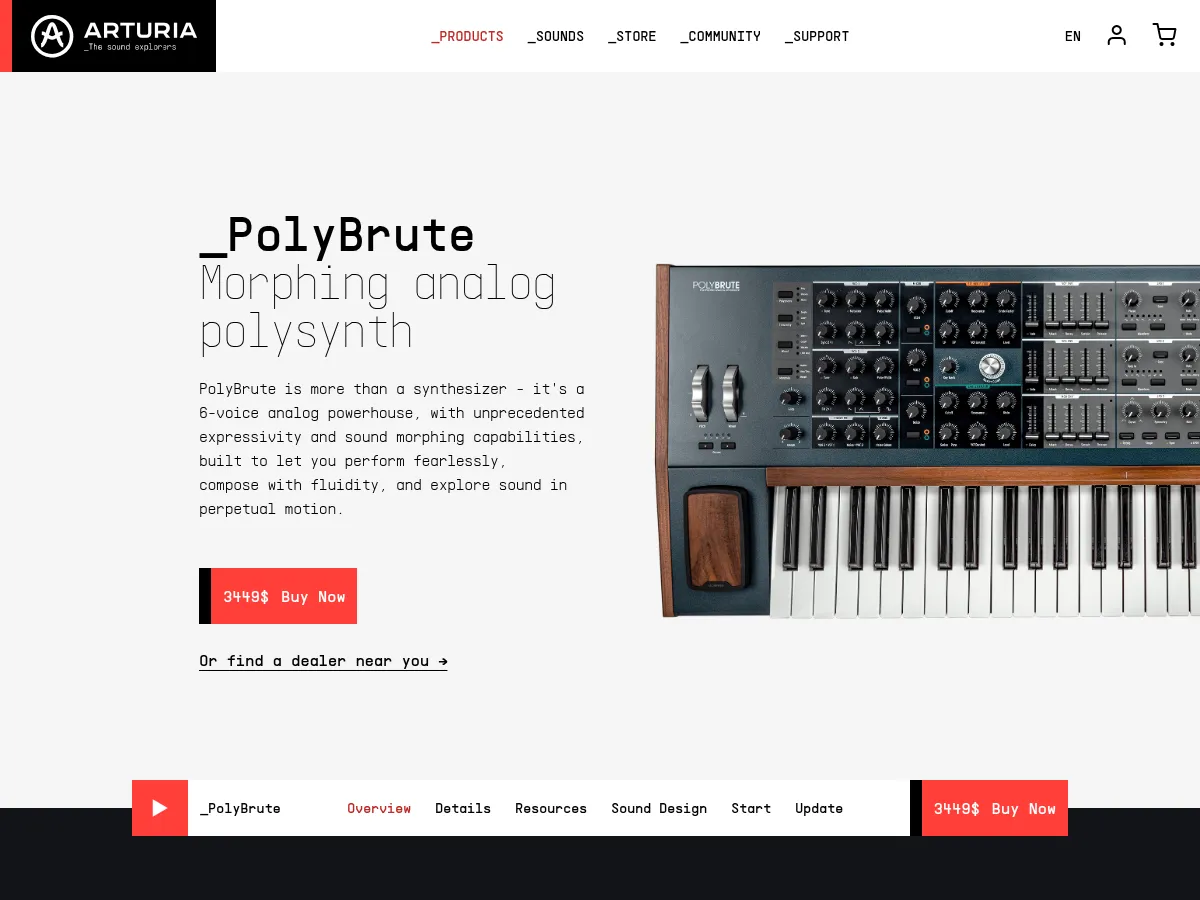
 Arturia PolyBrute
Arturia
$2,999
Professional
France
The Arturia PolyBrute is a six-voice polyphonic analog synthesizer with three oscillators per voice, dual filters, the unique Morphee 3D touch controller, and polyphonic aftertouch, delivering maximum expressiveness for professional sound designers.
Arturia PolyBrute
Arturia
$2,999
Professional
France
The Arturia PolyBrute is a six-voice polyphonic analog synthesizer with three oscillators per voice, dual filters, the unique Morphee 3D touch controller, and polyphonic aftertouch, delivering maximum expressiveness for professional sound designers.
 8
4.7
8
4.7
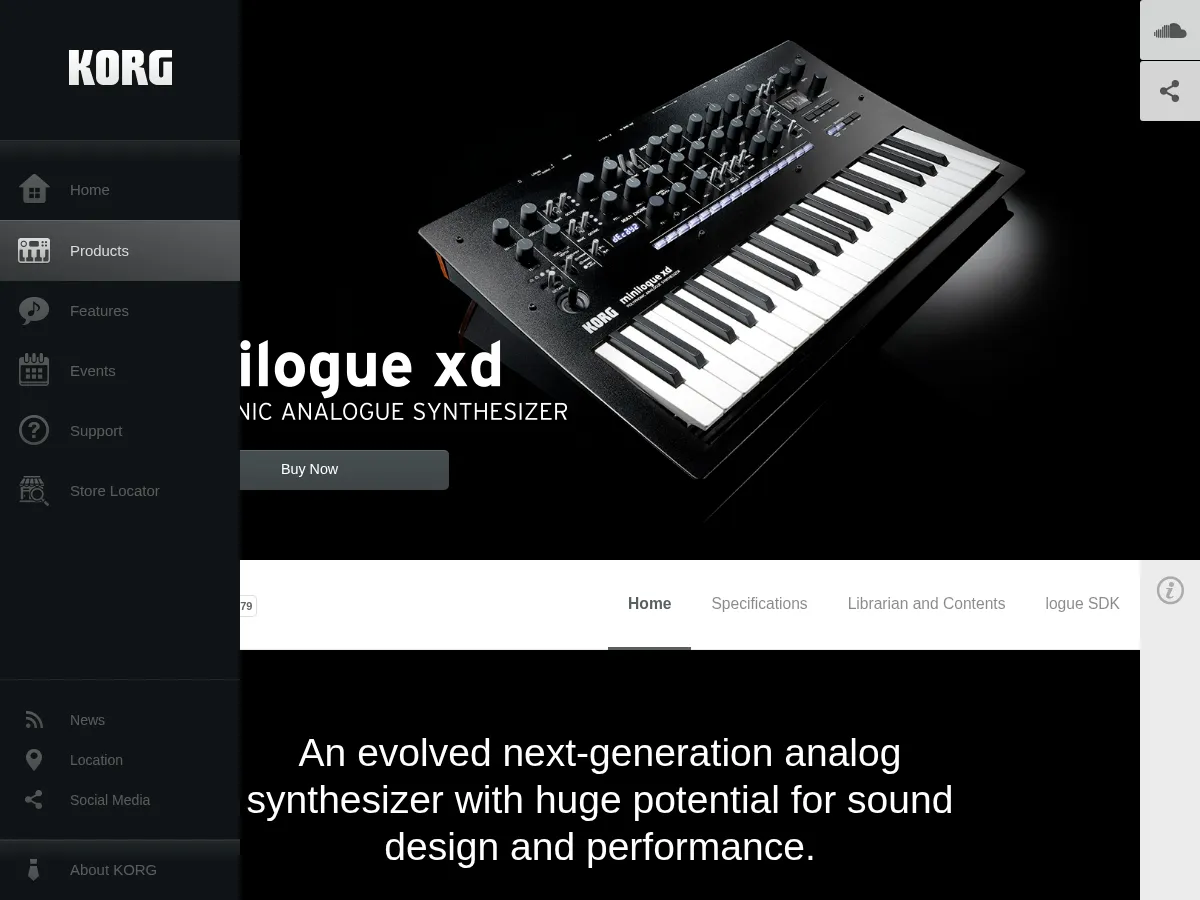
 Korg Minilogue XD
Korg
$649
Intermediate
Japan
A four-voice polyphonic analog synth with digital multi-engine, 16-step sequencer with motion recording, and an OLED oscilloscope display, offering hands-on analog sound design at a reasonable price.
Korg Minilogue XD
Korg
$649
Intermediate
Japan
A four-voice polyphonic analog synth with digital multi-engine, 16-step sequencer with motion recording, and an OLED oscilloscope display, offering hands-on analog sound design at a reasonable price.
 9
4.7
9
4.7
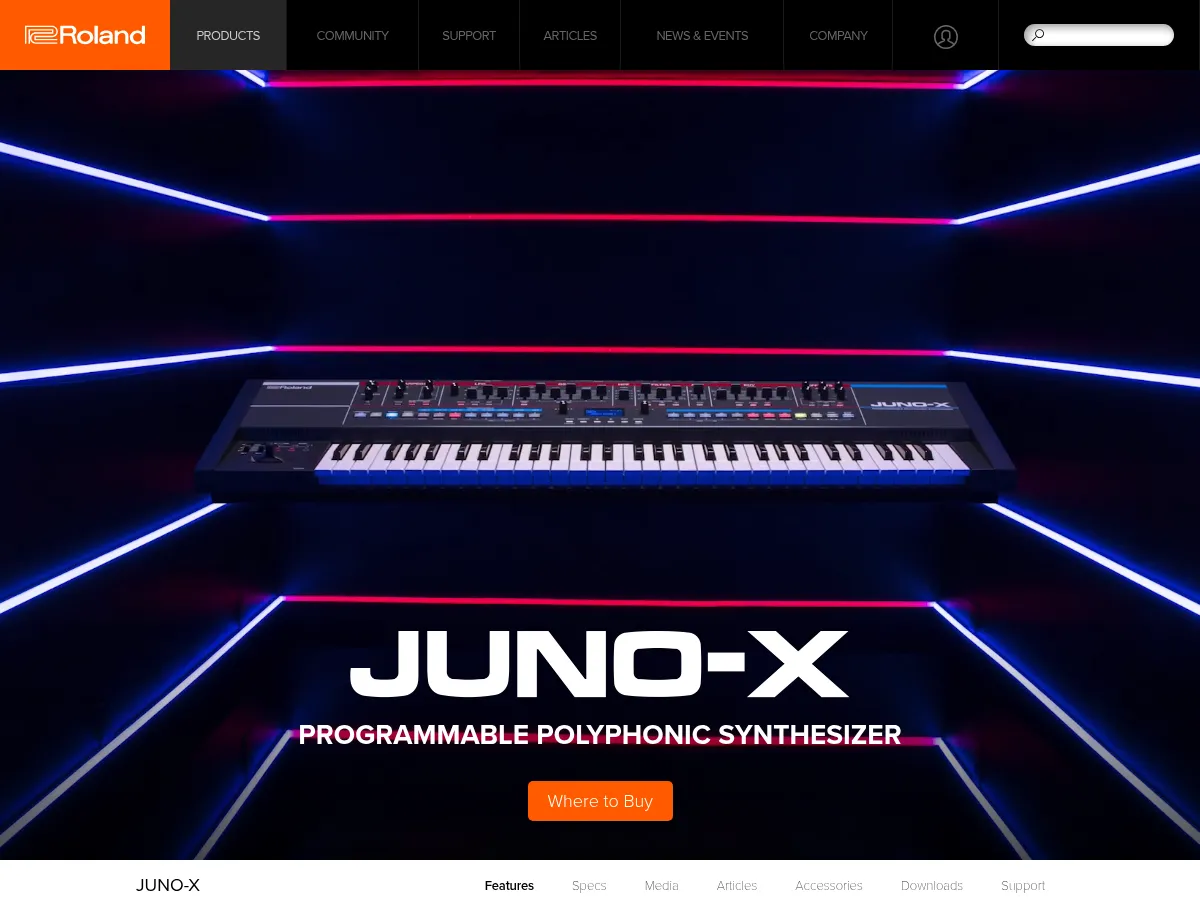
 Roland JUNO-X
Roland
$1,699
Intermediate
Malaysia
Modern synthesizer channeling the beloved JUNO series with ZEN-Core recreations of JUNO-60, JUNO-106, and JUNO-Stage sound engines plus Roland Cloud access.
Roland JUNO-X
Roland
$1,699
Intermediate
Malaysia
Modern synthesizer channeling the beloved JUNO series with ZEN-Core recreations of JUNO-60, JUNO-106, and JUNO-Stage sound engines plus Roland Cloud access.
 10
4.7
10
4.7
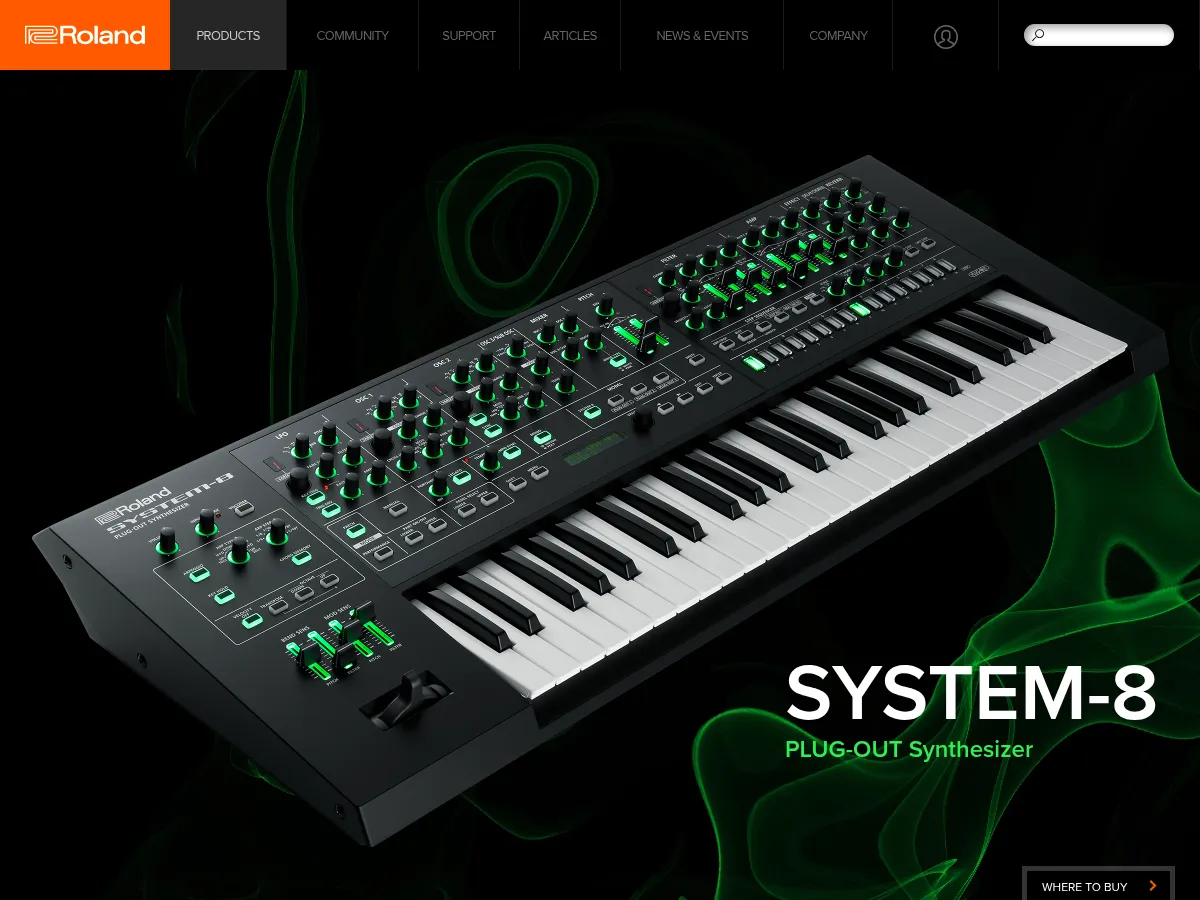
 Roland System-8
Roland
$1,499
Advanced
Malaysia
Performance synthesizer with Analog Circuit Behavior modeling and Plug-Out capability hosting faithful JUPITER-8, JUNO-106, and SH-101 recreations.
Roland System-8
Roland
$1,499
Advanced
Malaysia
Performance synthesizer with Analog Circuit Behavior modeling and Plug-Out capability hosting faithful JUPITER-8, JUNO-106, and SH-101 recreations.
 11
4.7
11
4.7
 Sequential Take 5
Sequential
$1,499
Intermediate
USA
Five-voice analog polysynth distilling Sequential's sound into a compact format with polyphonic aftertouch and Prophet-5 derived oscillators.
Sequential Take 5
Sequential
$1,499
Intermediate
USA
Five-voice analog polysynth distilling Sequential's sound into a compact format with polyphonic aftertouch and Prophet-5 derived oscillators.
 12
4.7
12
4.7
 Teenage Engineering OP-1 Field
Teenage Engineering
$2,199
Advanced
Sweden
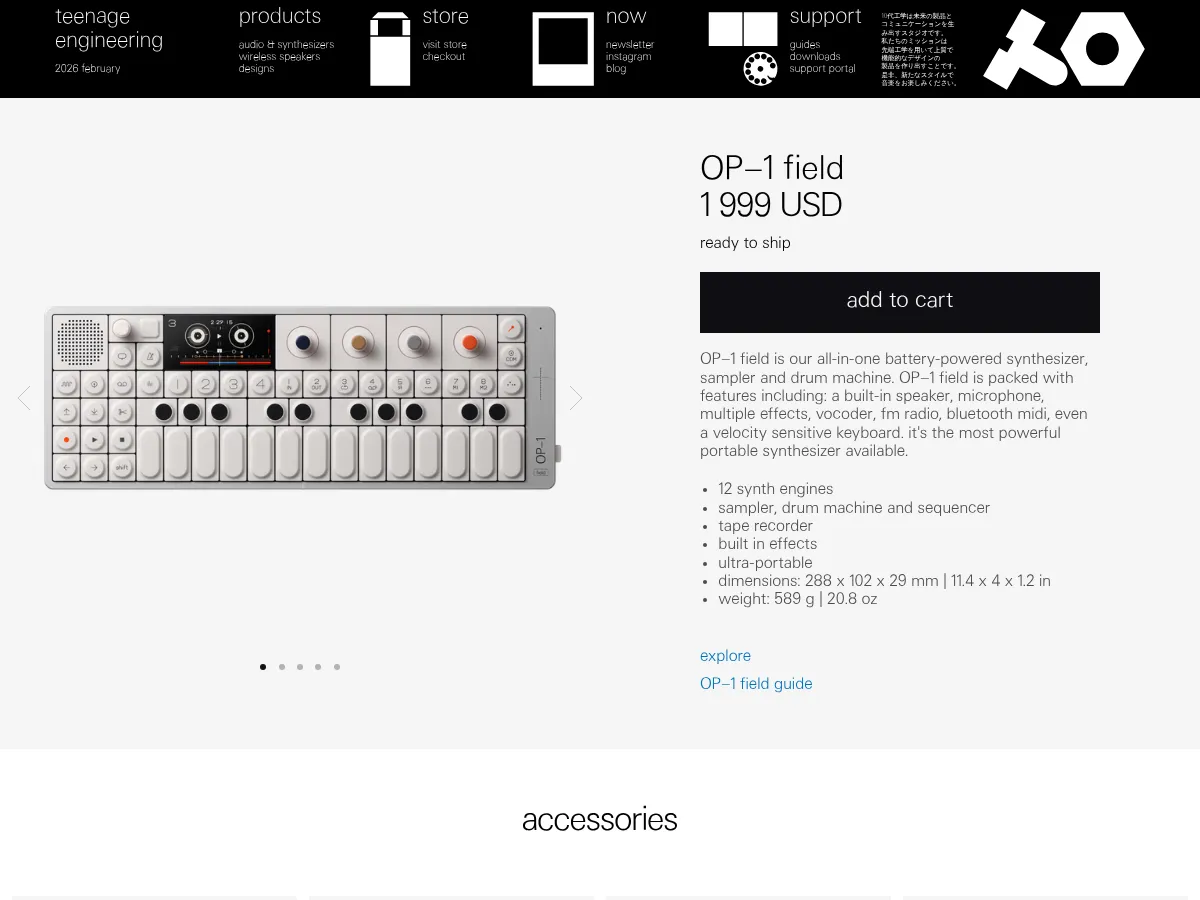
Portable all-in-one synthesizer, sampler, and four-track recorder with FM radio sampling, Bluetooth MIDI, and iconic minimalist aluminum design.
Teenage Engineering OP-1 Field
Teenage Engineering
$2,199
Advanced
Sweden
Portable all-in-one synthesizer, sampler, and four-track recorder with FM radio sampling, Bluetooth MIDI, and iconic minimalist aluminum design.
 13
4.7
13
4.7
 ASM Hydrasynth
ASM
$1,399
Advanced
China
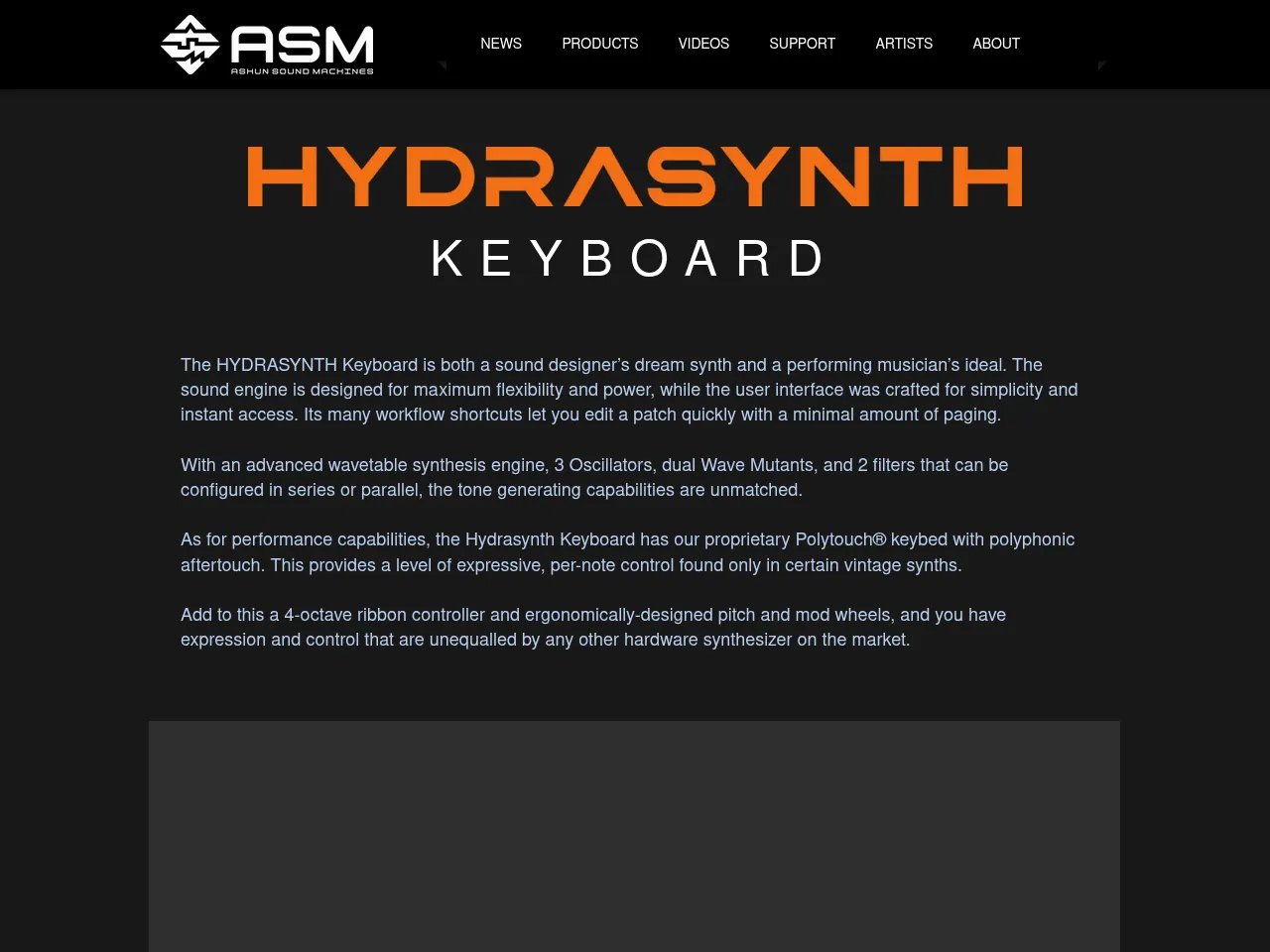
The ASM Hydrasynth is an eight-voice digital polysynth acclaimed for its deep wavetable synthesis engine and unmatched polyphonic aftertouch keybed, enabling per-note pressure sensitivity and expressive techniques most synthesizers cannot replicate.
ASM Hydrasynth
ASM
$1,399
Advanced
China
The ASM Hydrasynth is an eight-voice digital polysynth acclaimed for its deep wavetable synthesis engine and unmatched polyphonic aftertouch keybed, enabling per-note pressure sensitivity and expressive techniques most synthesizers cannot replicate.
 14
4.6
14
4.6
 Arturia MicroFreak
Arturia
$349
Beginner
China
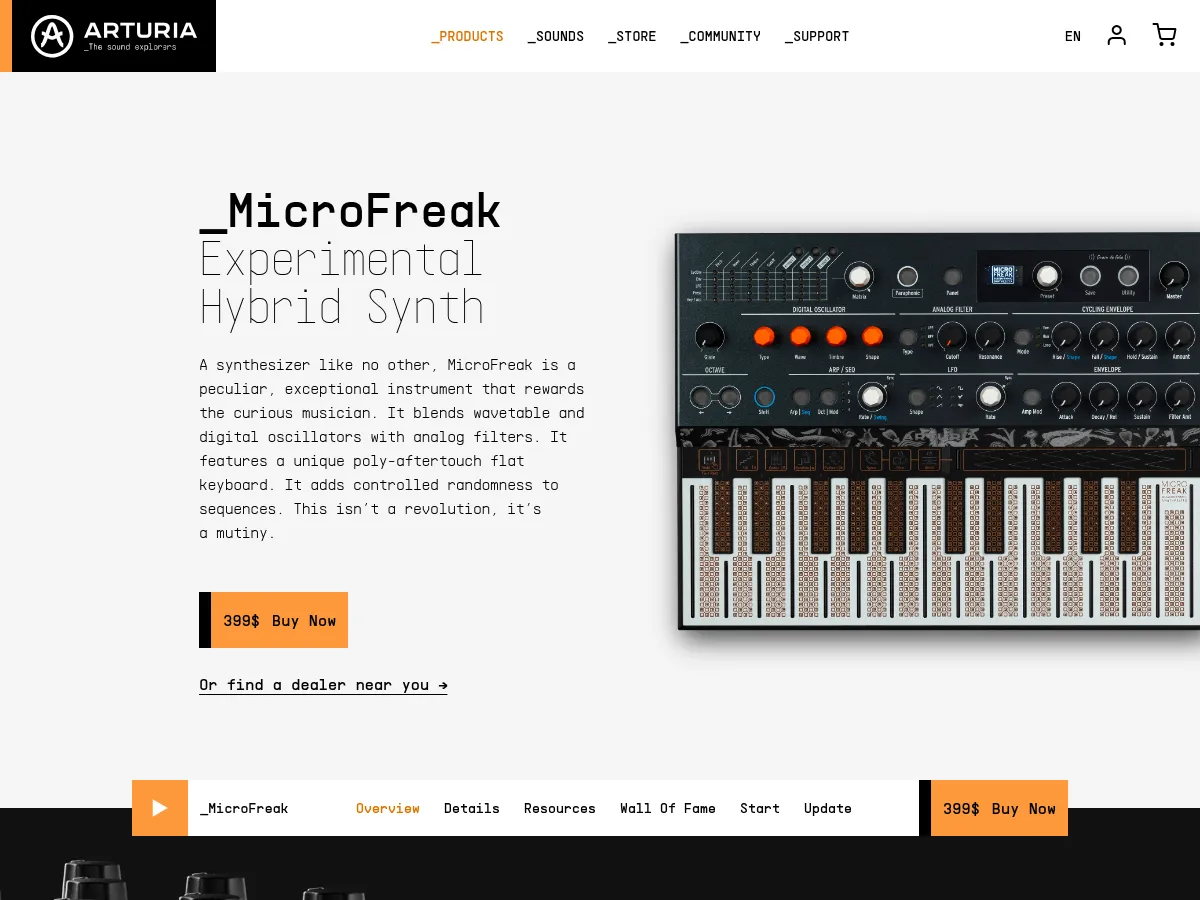
The Arturia MicroFreak is a compact hybrid synthesizer combining multiple digital oscillator engines with an analog Oberheim-style filter and a unique capacitive touch keyboard, offering an affordable gateway into unconventional sound design.
Arturia MicroFreak
Arturia
$349
Beginner
China
The Arturia MicroFreak is a compact hybrid synthesizer combining multiple digital oscillator engines with an analog Oberheim-style filter and a unique capacitive touch keyboard, offering an affordable gateway into unconventional sound design.
 15
4.6
15
4.6
 Korg Modwave
Korg
$799
Advanced
China
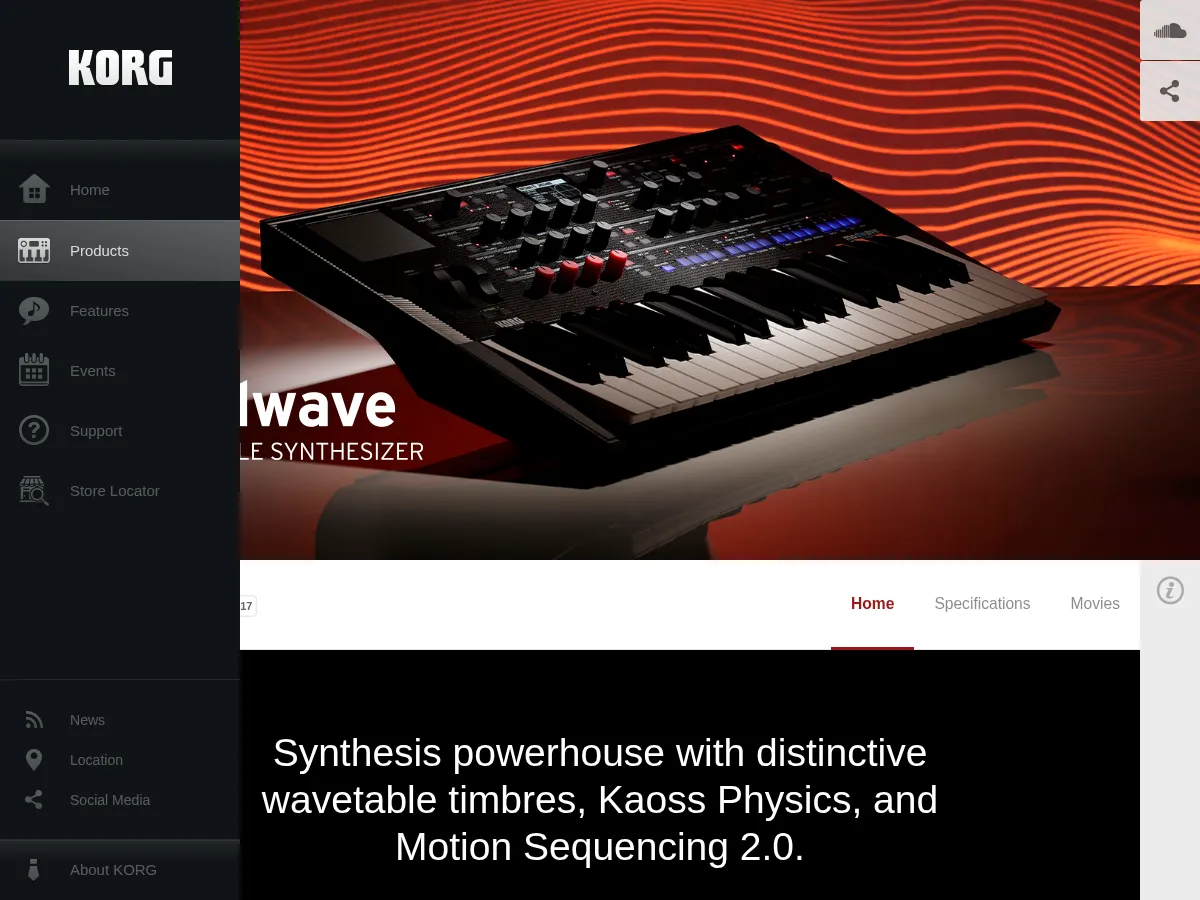
A wavetable synthesizer with 200+ wavetable sets and Kaoss Physics modulation, creating evolving morphing textures through independently sequenced lanes for timing, pitch, and shape.
Korg Modwave
Korg
$799
Advanced
China
A wavetable synthesizer with 200+ wavetable sets and Kaoss Physics modulation, creating evolving morphing textures through independently sequenced lanes for timing, pitch, and shape.
 16
4.6
16
4.6
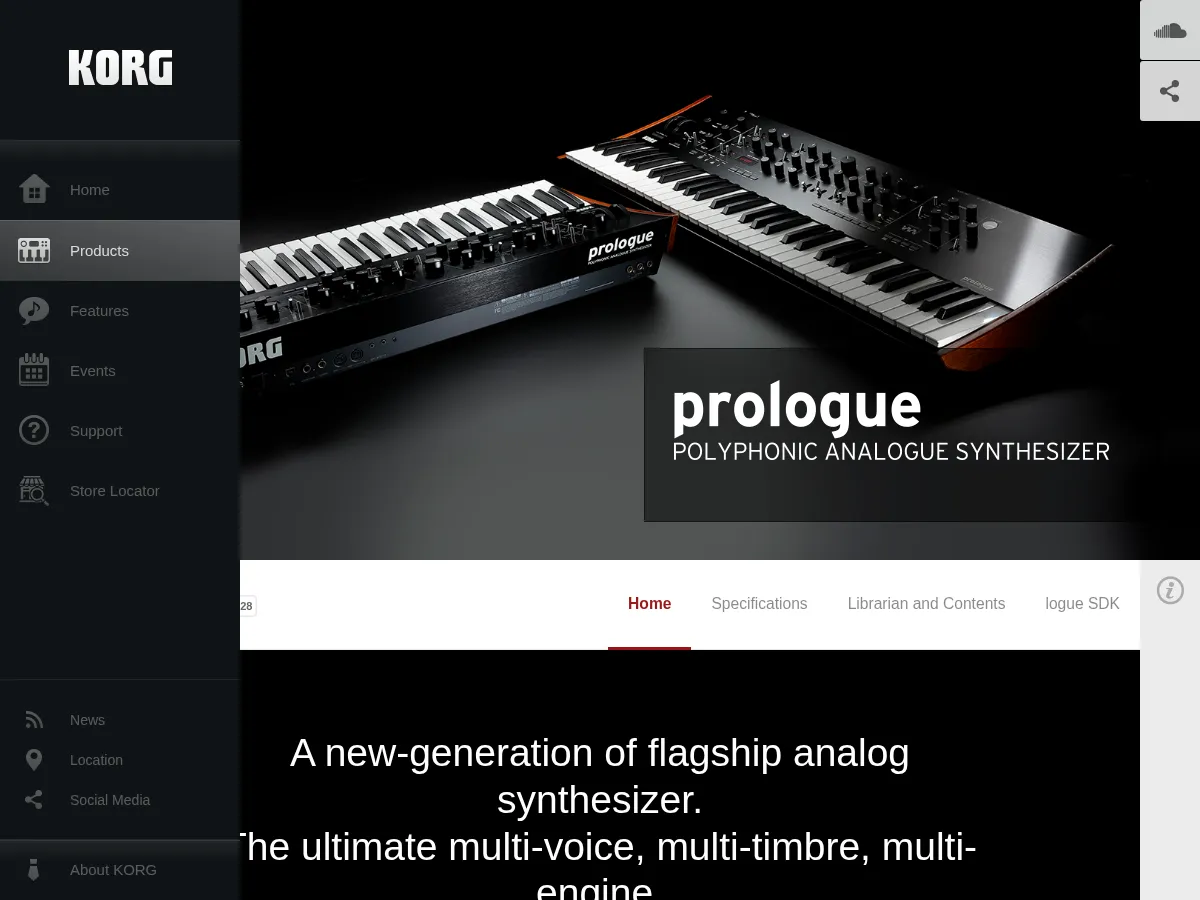
 Korg Prologue 16
Korg
$1,999
Advanced
Japan
A 16-voice polyphonic analog synth with digital multi-engine and bi-timbral capability, delivering lush polyphony from dual analog VCOs per voice in a professional 61-key format.
Korg Prologue 16
Korg
$1,999
Advanced
Japan
A 16-voice polyphonic analog synth with digital multi-engine and bi-timbral capability, delivering lush polyphony from dual analog VCOs per voice in a professional 61-key format.
 17
4.6
17
4.6
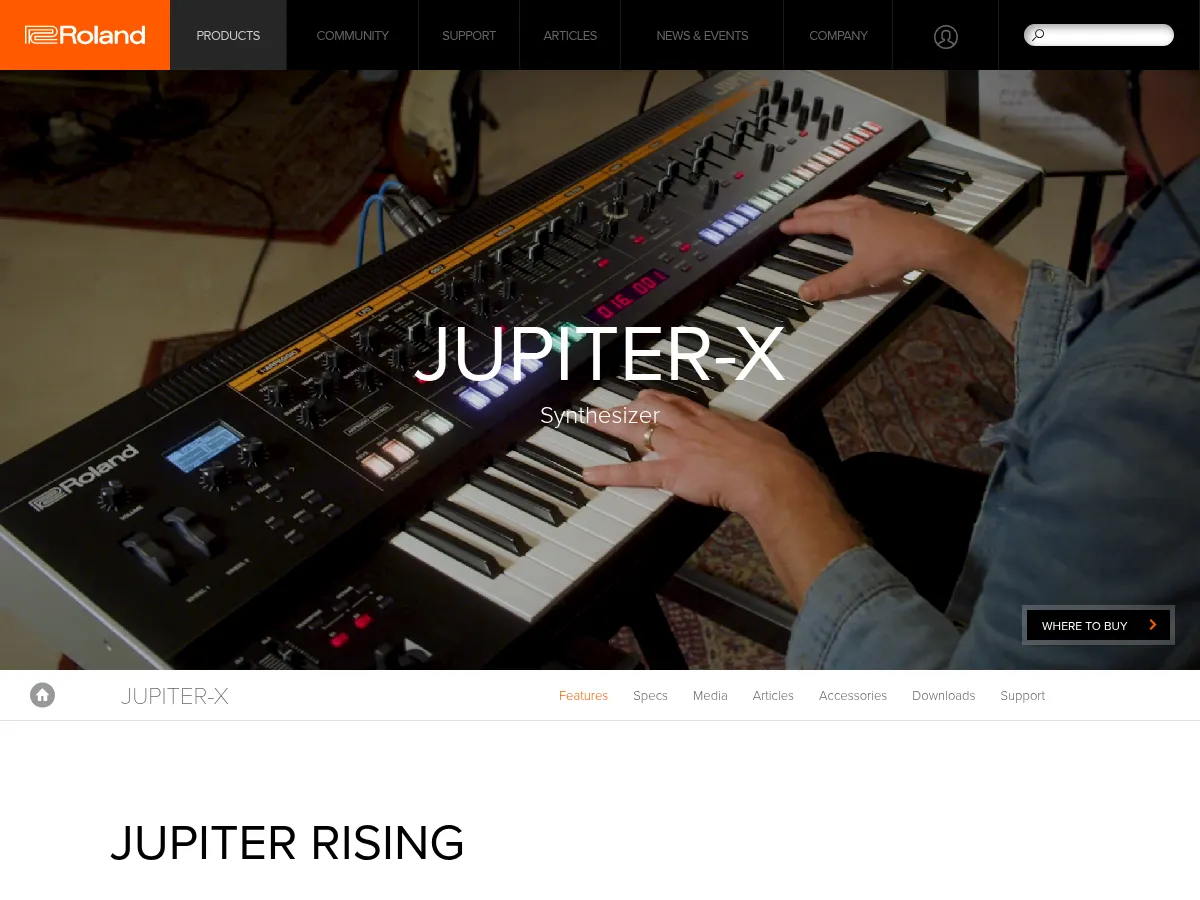
 Roland Jupiter-X
Roland
$2,499
Advanced
Malaysia
Flagship performance synthesizer with ZEN-Core recreations of JUPITER-8, JUNO-106, JX-8P, and SH-101, offering up to 256 voices of polyphony.
Roland Jupiter-X
Roland
$2,499
Advanced
Malaysia
Flagship performance synthesizer with ZEN-Core recreations of JUPITER-8, JUNO-106, JX-8P, and SH-101, offering up to 256 voices of polyphony.
 18
4.6
18
4.6
 Waldorf Blofeld
Waldorf
$449
Advanced
Germany
Compact desktop wavetable synthesizer module with 25-voice polyphony, 1,000+ presets, and Waldorf's acclaimed synthesis engine in a space-efficient format.
Waldorf Blofeld
Waldorf
$449
Advanced
Germany
Compact desktop wavetable synthesizer module with 25-voice polyphony, 1,000+ presets, and Waldorf's acclaimed synthesis engine in a space-efficient format.
 19
4.5
19
4.5
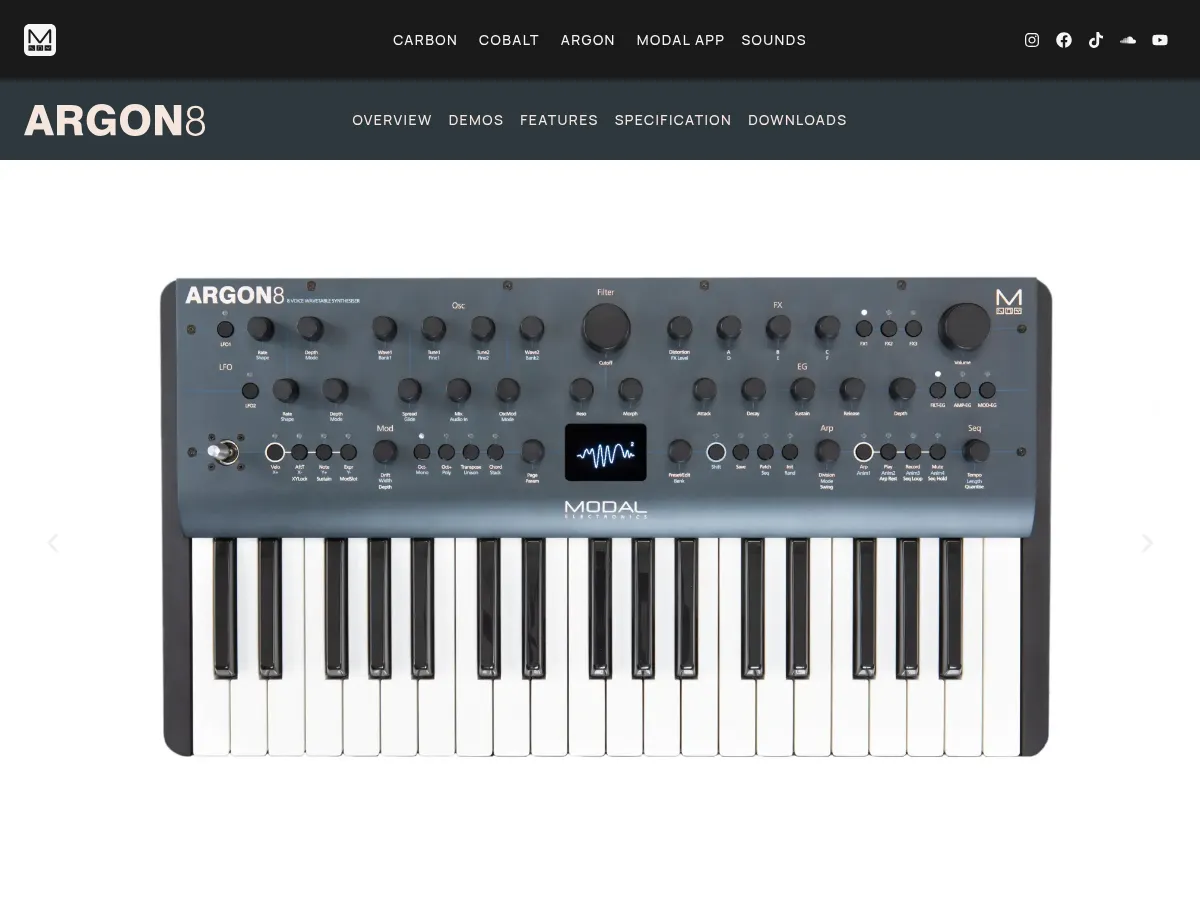
 Modal Electronics Argon8
Modal Electronics
$699
Intermediate
United Kingdom
An eight-voice polyphonic wavetable synth with four oscillators per voice, twelve filter types, and full-size aftertouch keys in a premium aluminum chassis.
Modal Electronics Argon8
Modal Electronics
$699
Intermediate
United Kingdom
An eight-voice polyphonic wavetable synth with four oscillators per voice, twelve filter types, and full-size aftertouch keys in a premium aluminum chassis.
 20
4.5
20
4.5
 Dreadbox Nymphes
Dreadbox
$499
Intermediate
Greece
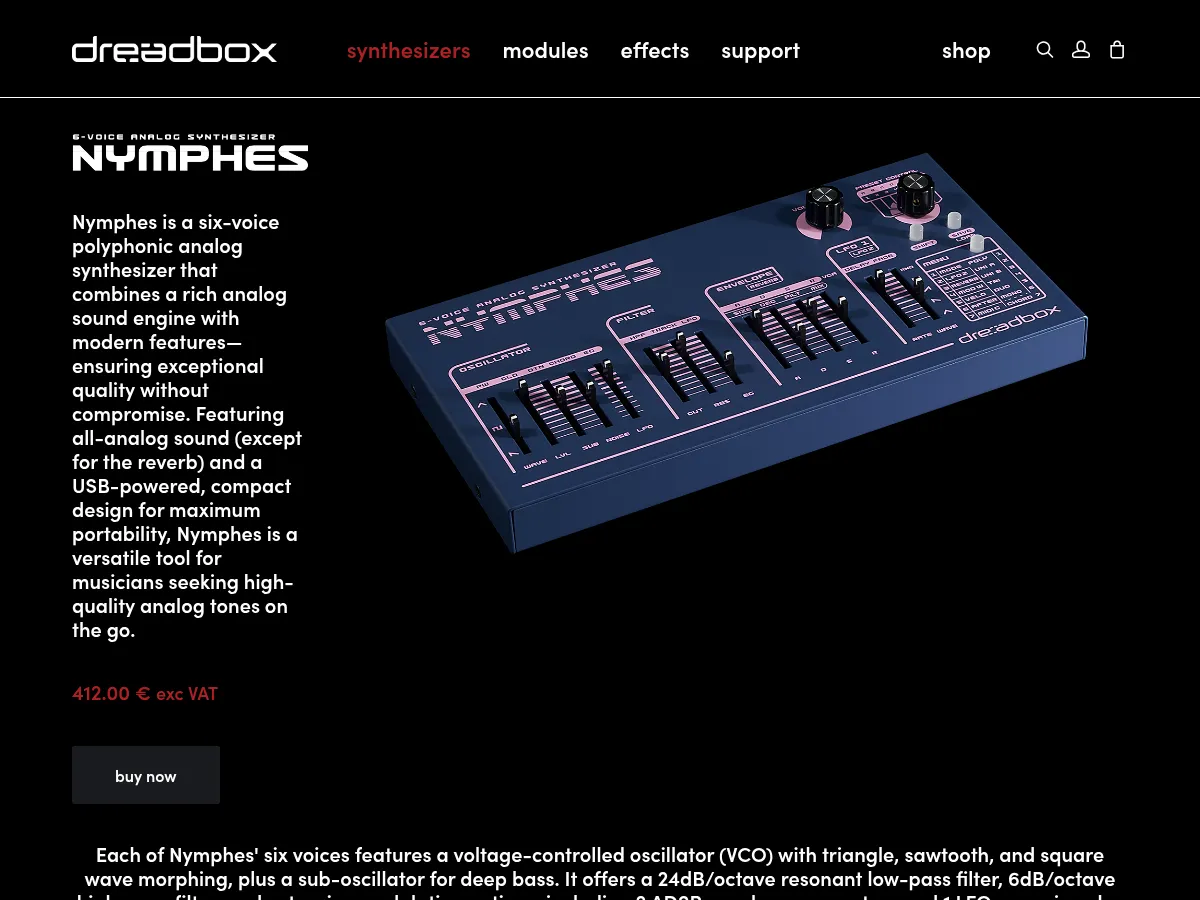
A compact six-voice polyphonic analog synthesizer that delivers genuinely warm, lush tones from a fully analog signal path at an affordable price, controlled primarily via MIDI in a minimal desktop format.
Dreadbox Nymphes
Dreadbox
$499
Intermediate
Greece
A compact six-voice polyphonic analog synthesizer that delivers genuinely warm, lush tones from a fully analog signal path at an affordable price, controlled primarily via MIDI in a minimal desktop format.
 21
4.4
21
4.4
 Arturia MiniBrute 2
Arturia
$549
Intermediate
China
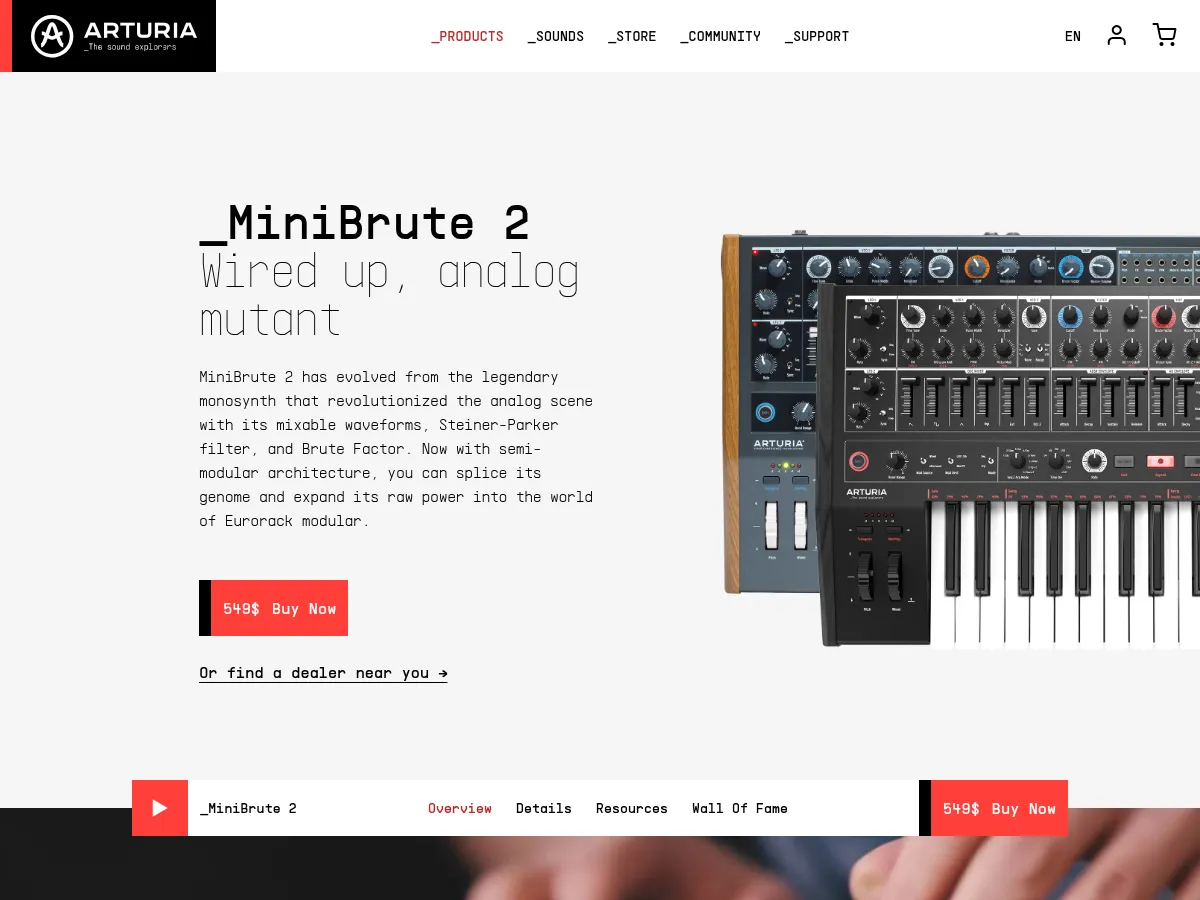
The Arturia MiniBrute 2 is a semi-modular monophonic analog synth with a Steiner-Parker filter, Metalizer and Ultrasaw waveshapers, and a 48-point CV patch bay that opens the door to modular synthesis without a full Eurorack system.
Arturia MiniBrute 2
Arturia
$549
Intermediate
China
The Arturia MiniBrute 2 is a semi-modular monophonic analog synth with a Steiner-Parker filter, Metalizer and Ultrasaw waveshapers, and a 48-point CV patch bay that opens the door to modular synthesis without a full Eurorack system.
 22
4.4
22
4.4
 Korg Wavestate
Korg
$799
Advanced
Japan
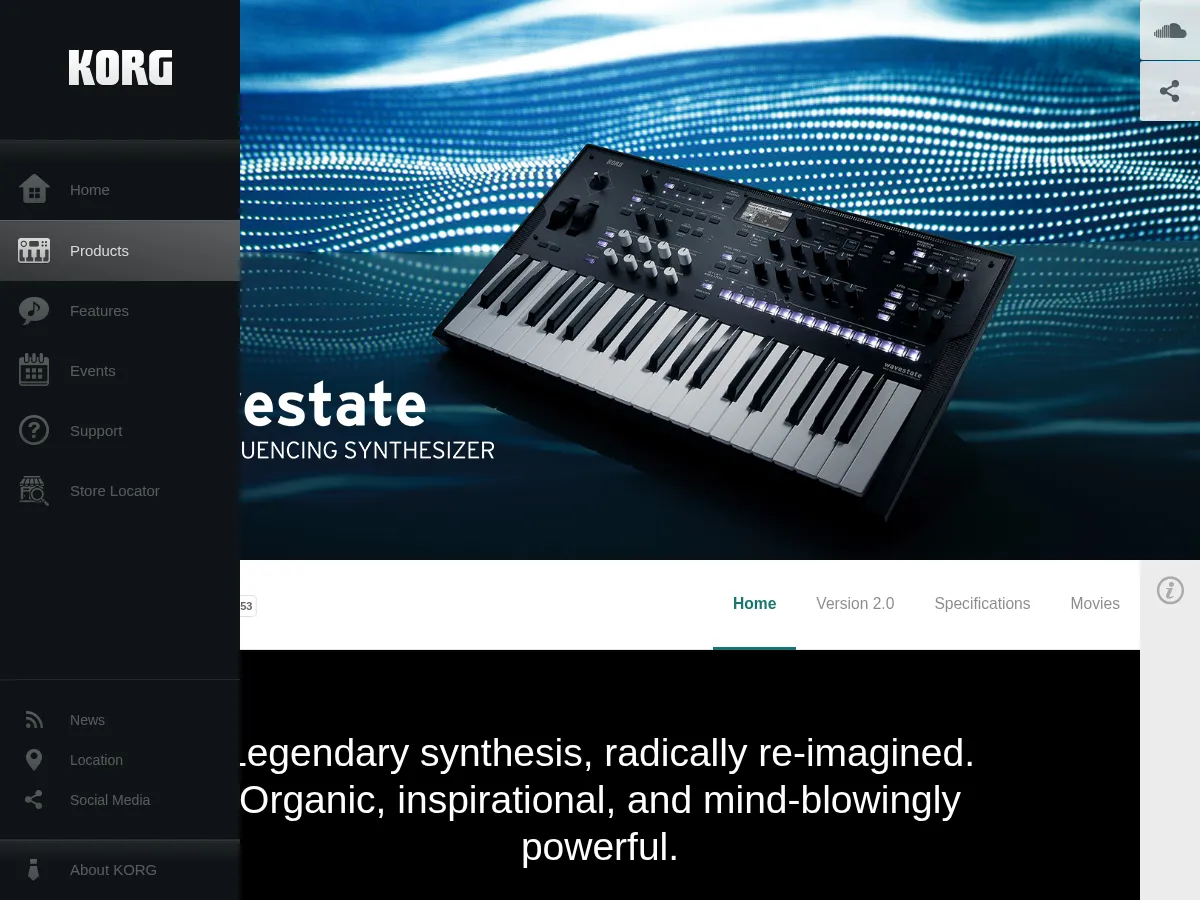
A wave sequencing synth reimagining the legendary Wavestation concept, with independent lanes for timing, sample, pitch, and shape creating evolving textures impossible on conventional synthesizers.
Korg Wavestate
Korg
$799
Advanced
Japan
A wave sequencing synth reimagining the legendary Wavestation concept, with independent lanes for timing, sample, pitch, and shape creating evolving textures impossible on conventional synthesizers.
 23
4.4
23
4.4
 Nord Stage 4
Nord
$5,499
Professional
Sweden
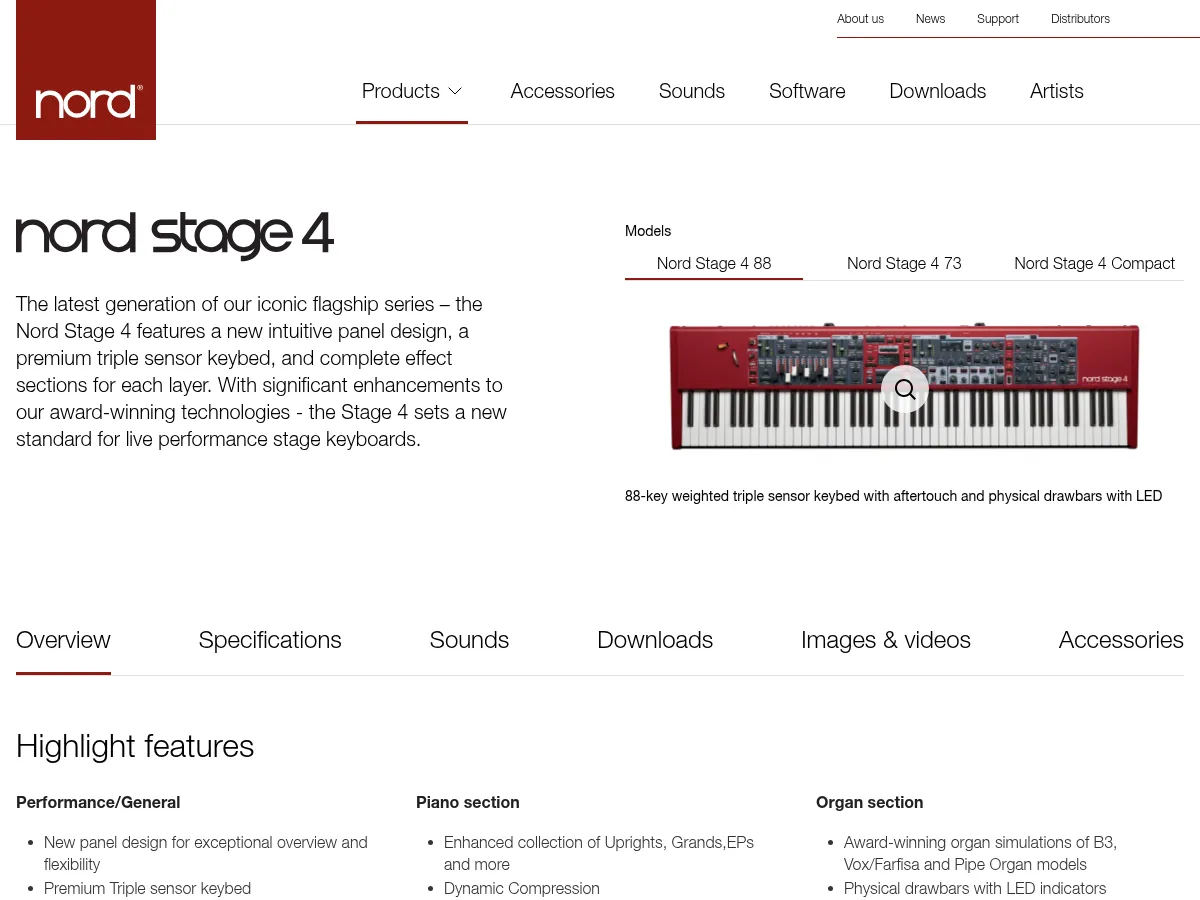
Nord's flagship performance keyboard featuring a capable virtual analog and wavetable synth engine alongside acclaimed piano and organ sections, all in one road-tough instrument.
Nord Stage 4
Nord
$5,499
Professional
Sweden
Nord's flagship performance keyboard featuring a capable virtual analog and wavetable synth engine alongside acclaimed piano and organ sections, all in one road-tough instrument.
 24
4.4
24
4.4
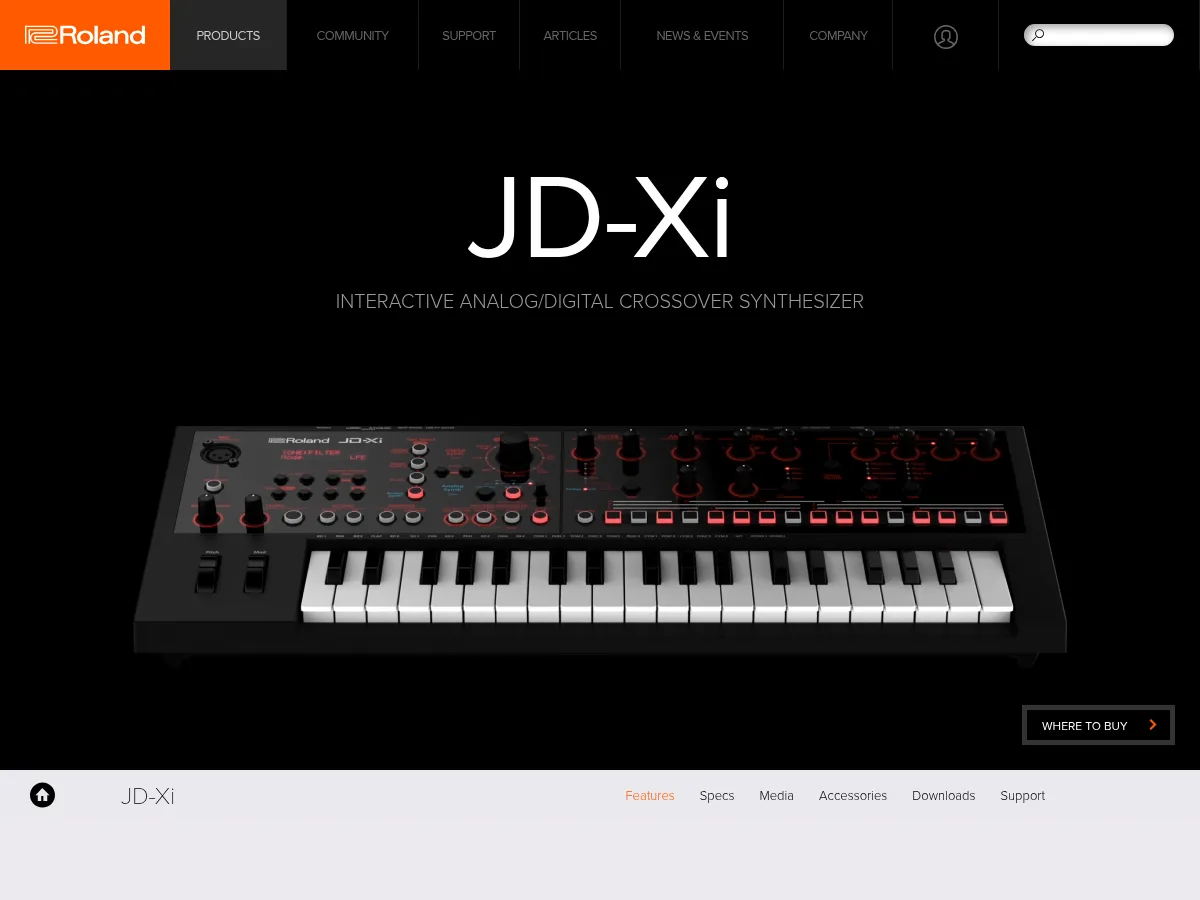
 Roland JD-Xi
Roland
$499
Beginner
China
Compact crossover synth combining true analog monosynth, digital polyphonic engines, built-in sequencer, and gooseneck microphone with AutoPitch effects.
Roland JD-Xi
Roland
$499
Beginner
China
Compact crossover synth combining true analog monosynth, digital polyphonic engines, built-in sequencer, and gooseneck microphone with AutoPitch effects.
 25
4.3
25
4.3
 Behringer DeepMind 12
Behringer
$799
Intermediate
China
The Behringer DeepMind 12 offers extraordinary 12-voice analog polyphony for its price, with a Roland JUNO-inspired architecture, 33 onboard effects, and lush pad sounds that make it a remarkable value for ambient artists and keyboardists.
Behringer DeepMind 12
Behringer
$799
Intermediate
China
The Behringer DeepMind 12 offers extraordinary 12-voice analog polyphony for its price, with a Roland JUNO-inspired architecture, 33 onboard effects, and lush pad sounds that make it a remarkable value for ambient artists and keyboardists.
 26
4.2
26
4.2
 Behringer Poly D
Behringer
$699
Intermediate
China
The Behringer Poly D is a four-voice paraphonic analog synth delivering classic warmth at a fraction of the usual cost, with four VCOs per voice, a transistor ladder filter, built-in chorus, and a Fatar keybed for vintage synth enthusiasts.
Behringer Poly D
Behringer
$699
Intermediate
China
The Behringer Poly D is a four-voice paraphonic analog synth delivering classic warmth at a fraction of the usual cost, with four VCOs per voice, a transistor ladder filter, built-in chorus, and a Fatar keybed for vintage synth enthusiasts.