Stage Pianos - Directory w/ AI Reviews
Performance-focused digital pianos built for live gigs
Stage pianos are portable, performance-focused digital pianos designed for live musicians who need authentic piano sounds on the road. They typically omit built-in speakers and furniture-style cabinets in favor of rugged construction and lightweight designs. Stage pianos prioritize sound quality, key action, and fast access to performance controls.
History
The concept of a stage piano emerged in the 1970s with electromechanical instruments like the Fender Rhodes and Wurlitzer. As digital technology improved in the 1980s and 1990s, manufacturers like Roland, Nord, and Yamaha developed dedicated stage piano lines. The Nord Stage series, introduced in the 2000s, set the modern benchmark for combining piano, organ, and synth sounds in one performance instrument.
Characteristics
Stage pianos feature 73 or 88 weighted keys with hammer action, housed in a portable chassis without built-in speakers. They output audio through stage monitors or PA systems via balanced audio connections. Controls are designed for quick, mid-performance access to sounds, effects, and splits, with minimal menu diving.
Notable Players
Ray Manzarek of The Doors performed on a Fender Rhodes keyboard bass combined with a Vox Continental organ. Chick Corea's live performances showcased both acoustic grands and electronic stage keyboards throughout his career. Jordan Rudess of Dream Theater uses multiple stage keyboards to create complex progressive rock arrangements live.
Fun Facts
The Fender Rhodes electric piano gets its distinctive bell-like tone from hammers striking metal tines rather than strings. Professional touring keyboardists often travel with multiple stage pianos, each assigned to different sound duties within a single performance.
 1
4.8
1
4.8
 Kawai MP11SE Stage Piano
Kawai
$2,999
Professional
Japan
A professional stage piano built around the same Grand Feel III wooden-key action as Kawai's premium digital pianos, with Shigeru Kawai concert grand samples and virtual technician controls.
Kawai MP11SE Stage Piano
Kawai
$2,999
Professional
Japan
A professional stage piano built around the same Grand Feel III wooden-key action as Kawai's premium digital pianos, with Shigeru Kawai concert grand samples and virtual technician controls.
 2
4.8
2
4.8
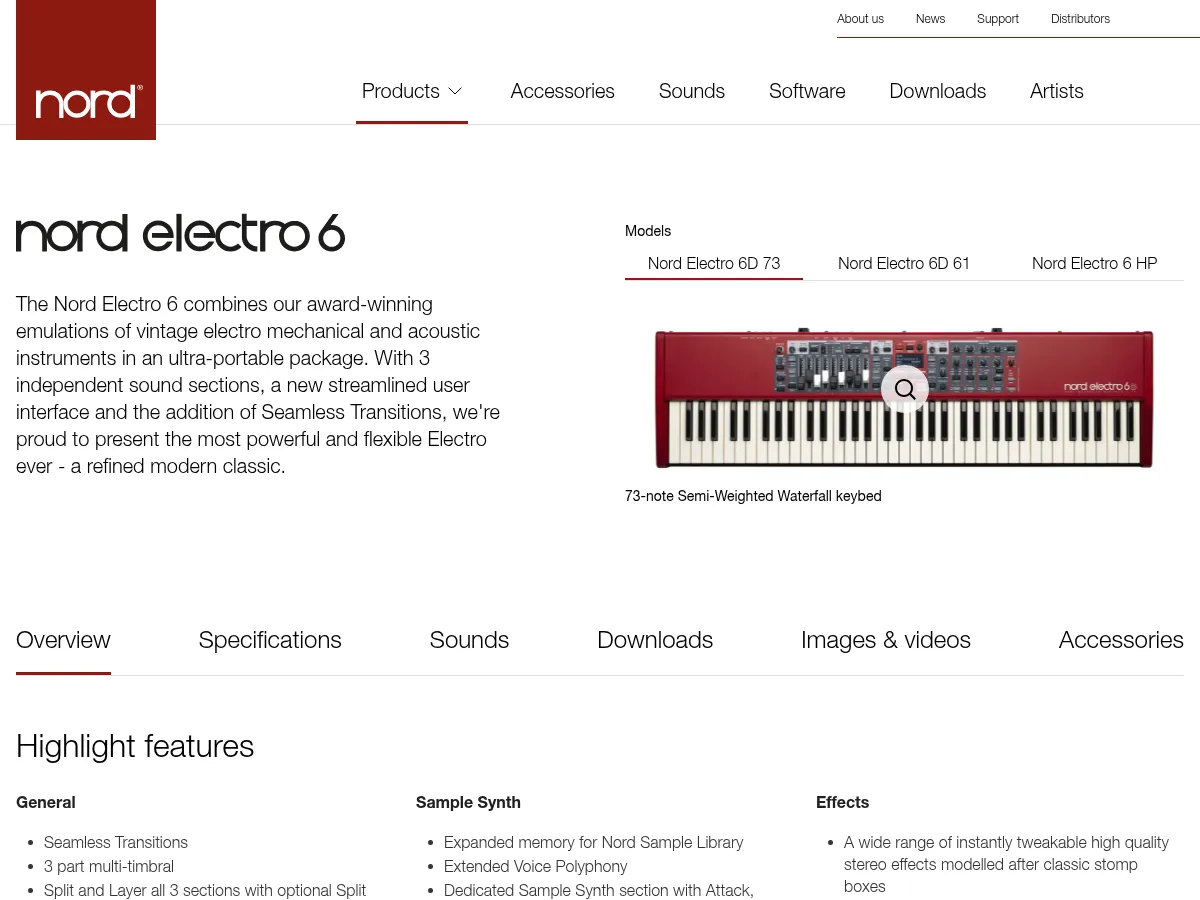
 Nord Electro 6D 73
Nord
$2,999
Advanced
Sweden
A versatile stage keyboard specializing in piano, organ, and electric piano with physical drawbars, Nord's acclaimed sample library, and a lightweight 20-pound aluminum chassis.
Nord Electro 6D 73
Nord
$2,999
Advanced
Sweden
A versatile stage keyboard specializing in piano, organ, and electric piano with physical drawbars, Nord's acclaimed sample library, and a lightweight 20-pound aluminum chassis.
 3
4.8
3
4.8
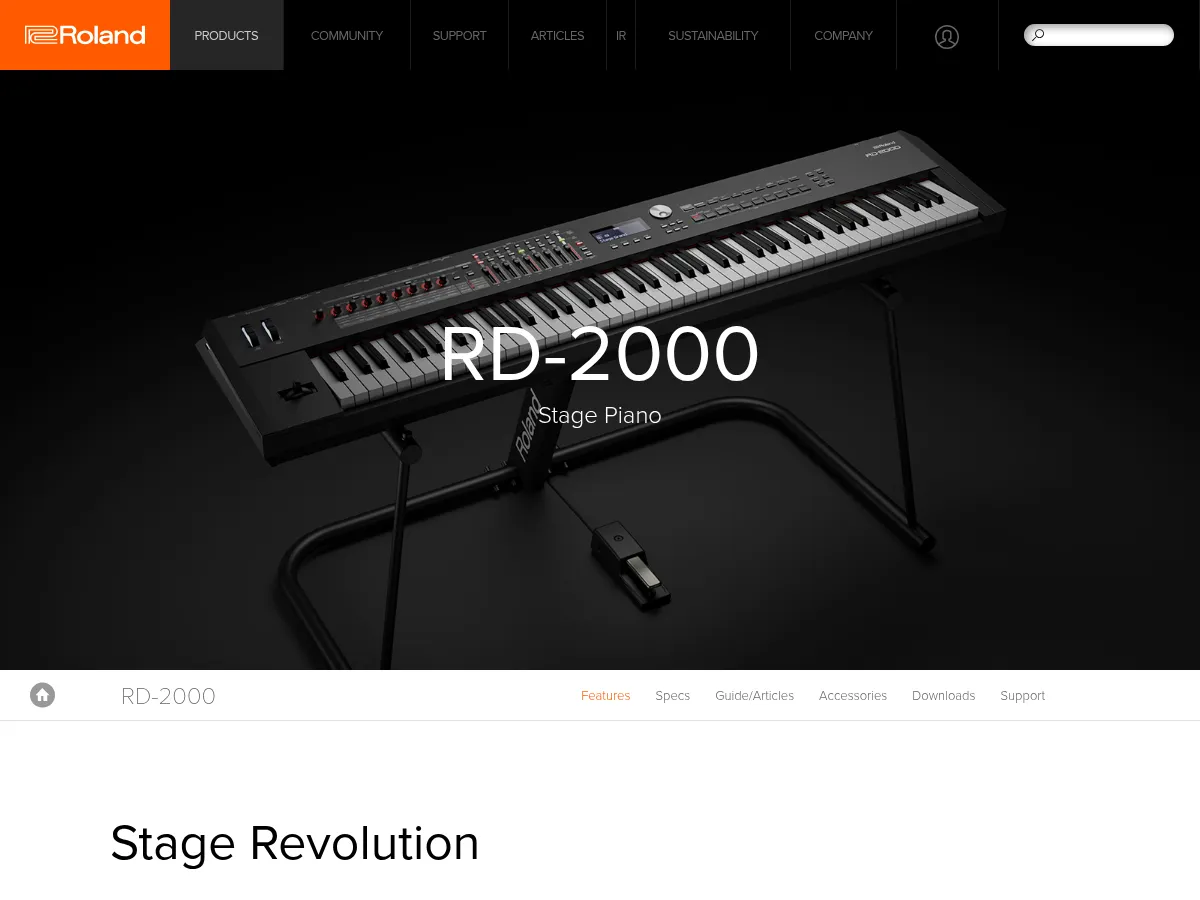
 Roland RD-2000 Stage Piano
Roland
$2,799
Professional
Japan
Professional stage piano combining V-Piano modeling and SuperNATURAL engines with PHA-50 hybrid keybed and eight-zone control for demanding live performers.
Roland RD-2000 Stage Piano
Roland
$2,799
Professional
Japan
Professional stage piano combining V-Piano modeling and SuperNATURAL engines with PHA-50 hybrid keybed and eight-zone control for demanding live performers.
 4
4.8
4
4.8
 Yamaha CP88 Stage Piano
Yamaha
$2,499
Professional
Japan
Purpose-built stage piano prioritizing authentic acoustic and electric piano sounds with a natural wood action, streamlined interface, and premium CFX and Bosendorfer samples.
Yamaha CP88 Stage Piano
Yamaha
$2,499
Professional
Japan
Purpose-built stage piano prioritizing authentic acoustic and electric piano sounds with a natural wood action, streamlined interface, and premium CFX and Bosendorfer samples.
 5
4.7
5
4.7
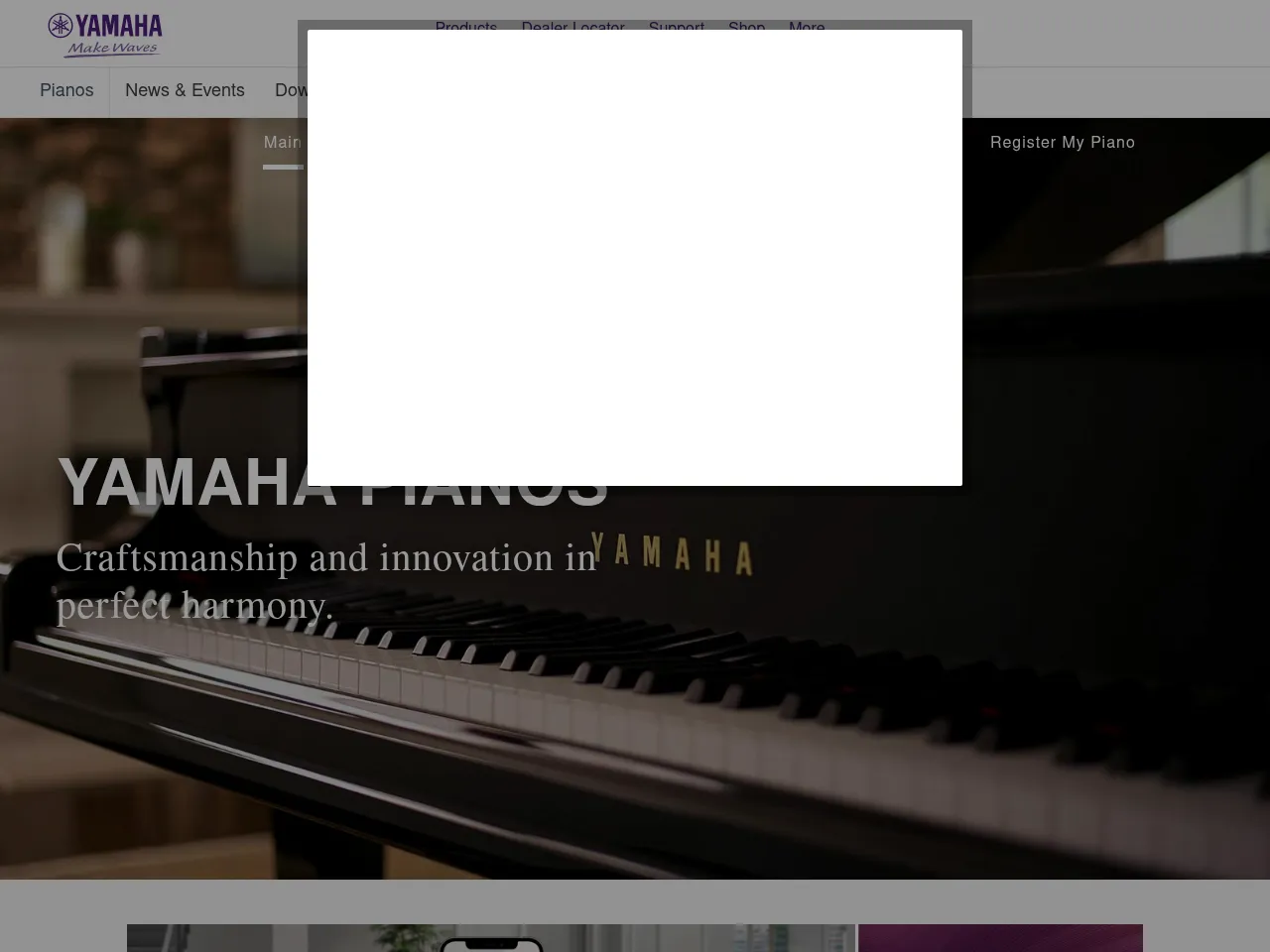
 Korg SV-2 73 Stage Piano
Korg
$2,099
Advanced
Japan
A retro-modern stage piano celebrating classic keyboard sounds of the 1960s-80s with a valve reactor tube circuit, delivering authentic vintage Rhodes, Wurlitzer, and piano tones.
Korg SV-2 73 Stage Piano
Korg
$2,099
Advanced
Japan
A retro-modern stage piano celebrating classic keyboard sounds of the 1960s-80s with a valve reactor tube circuit, delivering authentic vintage Rhodes, Wurlitzer, and piano tones.
 6
4.7
6
4.7
 Yamaha YC73 Stage Keyboard
Yamaha
$2,499
Professional
Japan
Stage keyboard combining Virtual Circuit Modeling organ sounds with physical drawbars and acclaimed piano voices, suited for gigging musicians who switch between multiple keyboard roles.
Yamaha YC73 Stage Keyboard
Yamaha
$2,499
Professional
Japan
Stage keyboard combining Virtual Circuit Modeling organ sounds with physical drawbars and acclaimed piano voices, suited for gigging musicians who switch between multiple keyboard roles.
 7
4.6
7
4.6
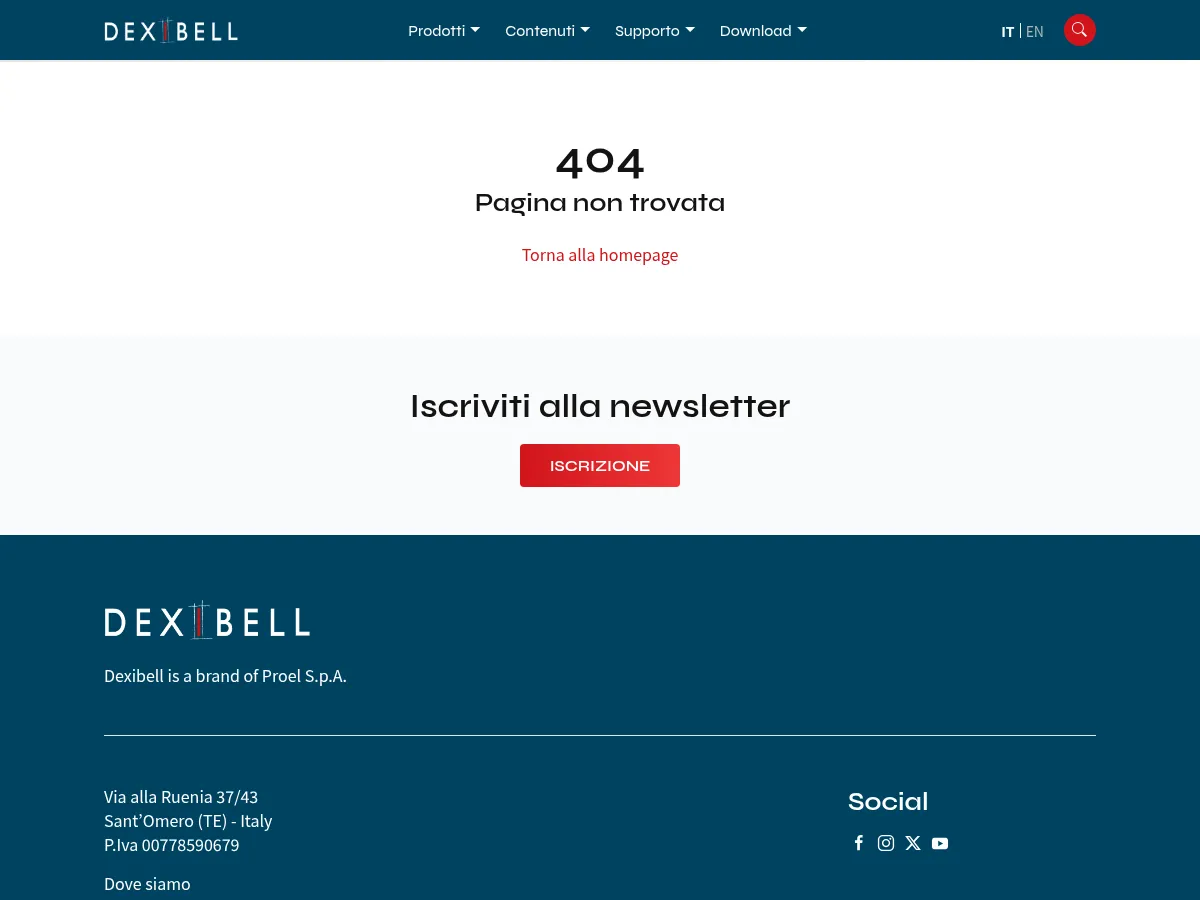
 Roland Fantom-08 Stage Piano
Roland
$2,999
Advanced
Malaysia
Performance synthesizer and stage piano with ZEN-Core and SuperNATURAL engines, PHA-50 hybrid keybed, and over 3,500 tones in a portable 88-key format.
Roland Fantom-08 Stage Piano
Roland
$2,999
Advanced
Malaysia
Performance synthesizer and stage piano with ZEN-Core and SuperNATURAL engines, PHA-50 hybrid keybed, and over 3,500 tones in a portable 88-key format.
 8
4.5
8
4.5
 Dexibell VIVO S7 Pro Stage Piano
Dexibell
$3,499
Professional
Italy
An Italian-designed stage piano using T2L sampling technology with up to 15 seconds of unlooped recording per note, paired with a TP/40 WOOD graded hammer action for exceptional tonal realism.
Dexibell VIVO S7 Pro Stage Piano
Dexibell
$3,499
Professional
Italy
An Italian-designed stage piano using T2L sampling technology with up to 15 seconds of unlooped recording per note, paired with a TP/40 WOOD graded hammer action for exceptional tonal realism.
 9
4.1
9
4.1
 Casio PX-5S Privia Pro Stage Piano
Casio
$999
Intermediate
Japan
The Casio PX-5S Privia Pro challenges premium pricing with weighted hammer action, high-quality AiR piano sounds, and a powerful hex-layer synth engine in a slim 24-pound chassis for budget-conscious gigging keyboardists.
Casio PX-5S Privia Pro Stage Piano
Casio
$999
Intermediate
Japan
The Casio PX-5S Privia Pro challenges premium pricing with weighted hammer action, high-quality AiR piano sounds, and a powerful hex-layer synth engine in a slim 24-pound chassis for budget-conscious gigging keyboardists.