Preamps - Directory w/ AI Reviews
Microphone preamps, channel strips, and signal processors
Microphone preamplifiers boost the low-level signal from a microphone to a usable line level for recording or processing. They are one of the most important components in the recording signal chain, as they impart tonal character and determine the noise floor. The preamp you choose can significantly shape the color and quality of your recordings.
History
Early preamp designs were built into mixing consoles, with Neve's 1073 (1970) and API's 512 (1968) modules becoming legendary for their distinct sonic signatures. The outboard preamp market grew in the 1990s as home studios needed quality front ends without expensive consoles. Today, companies like Universal Audio, Warm Audio, and Heritage Audio offer affordable recreations of classic preamp circuits alongside innovative new designs.
Characteristics
Preamps amplify microphone signals by 40-60 dB while adding as little noise as possible. Transformer-based designs (Neve, API) add subtle harmonic saturation and warmth to the signal. Transparent preamps (like those from Grace Design or Millennia) aim to amplify the signal without any coloration, preserving the pure microphone sound.
Notable Players
The Neve 1073 is considered the most revered microphone preamp in recording history, known for its rich, warm tone. The API 512 delivers a punchy, present character that has defined the sound of American rock recordings. Universal Audio's 610 tube preamp was used to record Frank Sinatra and the Beach Boys' "Pet Sounds."
Fun Facts
An original Neve 1073 module in good condition can sell for $3,000-$5,000 on the used market, more than many complete mixing consoles. The difference between a $100 preamp and a $3,000 preamp is often described as the difference between a photograph and a painting of the same scene.
 1
5.0
1
5.0
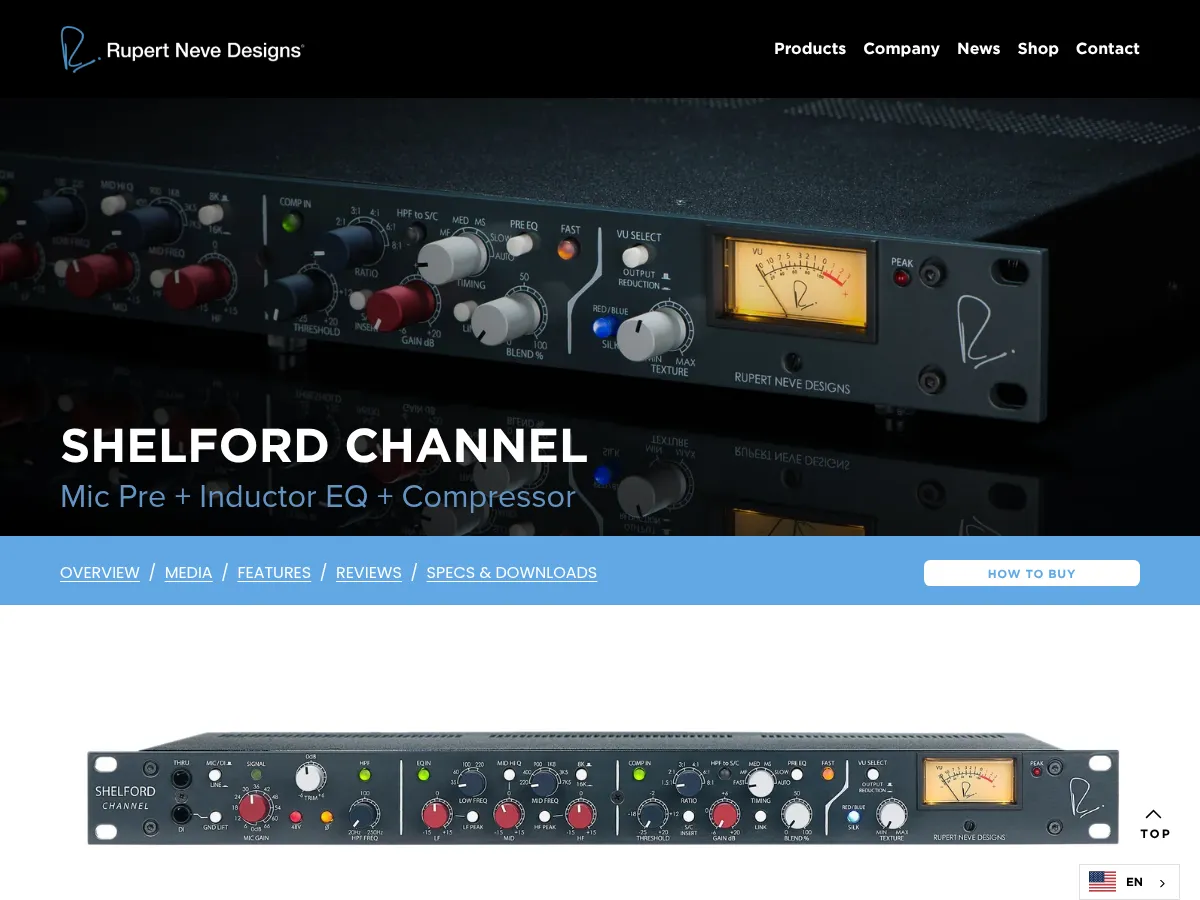
 Rupert Neve Designs Shelford Channel
Rupert Neve Designs
$4,295
Professional
United States
Single-channel recording chain combining transformer-coupled preamp, inductor EQ, and diode-bridge compressor with Silk/Texture harmonic enhancement, designed by Rupert Neve himself.
Rupert Neve Designs Shelford Channel
Rupert Neve Designs
$4,295
Professional
United States
Single-channel recording chain combining transformer-coupled preamp, inductor EQ, and diode-bridge compressor with Silk/Texture harmonic enhancement, designed by Rupert Neve himself.
 2
4.9
2
4.9
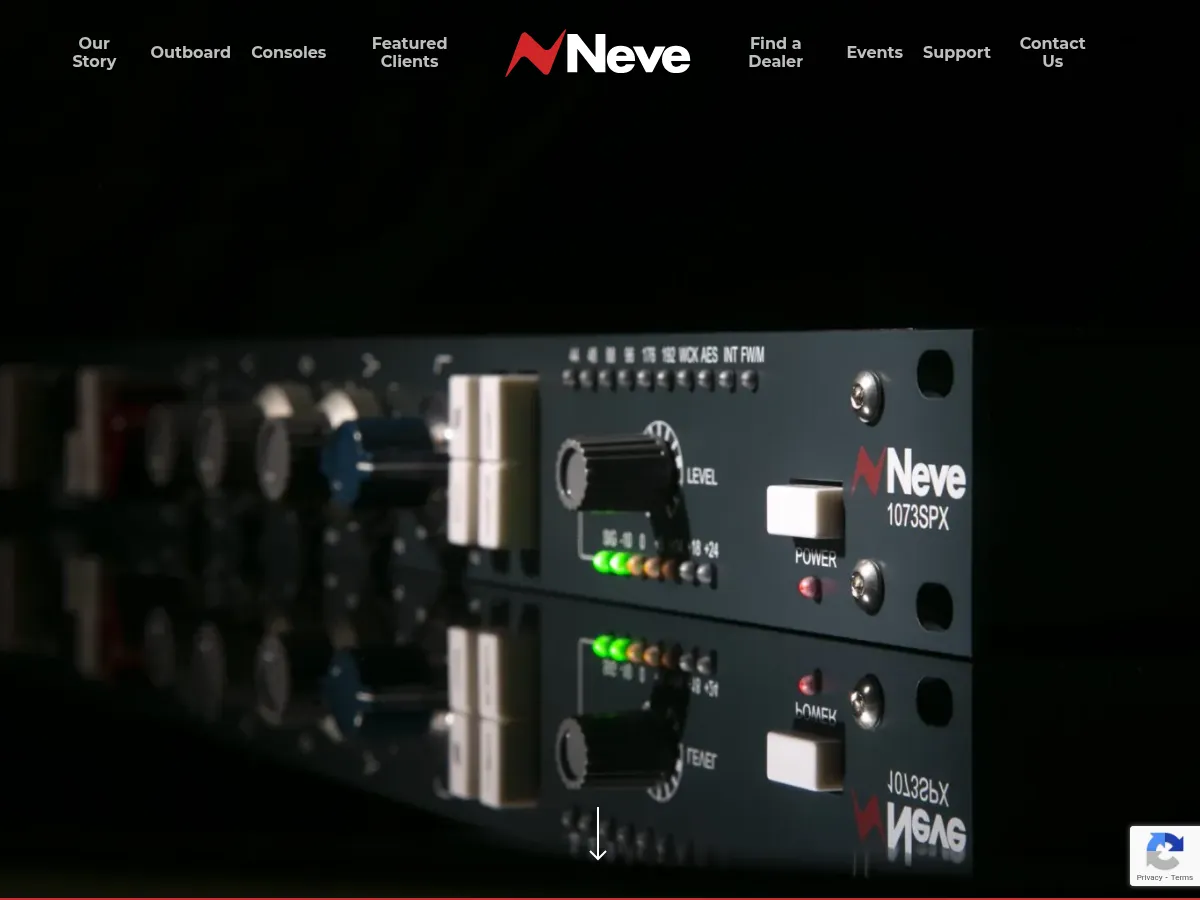
 AMS Neve 1073SPX
AMS Neve
$3,495
Professional
United Kingdom
The AMS Neve 1073SPX delivers the authentic sound of the most famous recording console preamp ever created, with genuine custom-wound Neve transformers and the Class-A discrete transistor circuit that has defined recording for decades.
AMS Neve 1073SPX
AMS Neve
$3,495
Professional
United Kingdom
The AMS Neve 1073SPX delivers the authentic sound of the most famous recording console preamp ever created, with genuine custom-wound Neve transformers and the Class-A discrete transistor circuit that has defined recording for decades.
 3
4.8
3
4.8
 Grace Design m101
Grace Design
$1,075
Professional
United States
The pinnacle of transparent preamplification with transformerless topology achieving extraordinarily low noise and ruler-flat response, designed for capturing the purest possible representation of any source.
Grace Design m101
Grace Design
$1,075
Professional
United States
The pinnacle of transparent preamplification with transformerless topology achieving extraordinarily low noise and ruler-flat response, designed for capturing the purest possible representation of any source.
 4
4.7
4
4.7
 Focusrite ISA One
Focusrite
$499
Professional
United Kingdom
A single-channel preamp built around the legendary ISA110 transformer design with Lundahl transformer and variable impedance selector, delivering the warm, harmonically rich character from countless hit records.
Focusrite ISA One
Focusrite
$499
Professional
United Kingdom
A single-channel preamp built around the legendary ISA110 transformer design with Lundahl transformer and variable impedance selector, delivering the warm, harmonically rich character from countless hit records.
 5
4.7
5
4.7
 Heritage Audio HA73 Preamp
Heritage Audio
$449
Professional
Spain
A faithful 1073-style preamp with Carnhill transformers in 500-series format delivering warm, punchy vintage character with 80dB of gain and a DI input, making the classic Neve sound accessible to project studios.
Heritage Audio HA73 Preamp
Heritage Audio
$449
Professional
Spain
A faithful 1073-style preamp with Carnhill transformers in 500-series format delivering warm, punchy vintage character with 80dB of gain and a DI input, making the classic Neve sound accessible to project studios.
 6
4.7
6
4.7
 Warm Audio TB12 Tone Beast
Warm Audio
$399
Intermediate
United States
Versatile single-channel mic preamp with a dual-transformer design offering both punchy British and clear American tonal flavors in one affordable unit.
Warm Audio TB12 Tone Beast
Warm Audio
$399
Intermediate
United States
Versatile single-channel mic preamp with a dual-transformer design offering both punchy British and clear American tonal flavors in one affordable unit.
 7
4.7
7
4.7
 Warm Audio WA73-EQ
Warm Audio
$899
Intermediate
United States
Neve 1073-inspired preamp and inductor EQ with authentic Carnhill transformers, delivering the thick, harmonically rich British console sound at a project-studio price.
Warm Audio WA73-EQ
Warm Audio
$899
Intermediate
United States
Neve 1073-inspired preamp and inductor EQ with authentic Carnhill transformers, delivering the thick, harmonically rich British console sound at a project-studio price.
 8
4.6
8
4.6
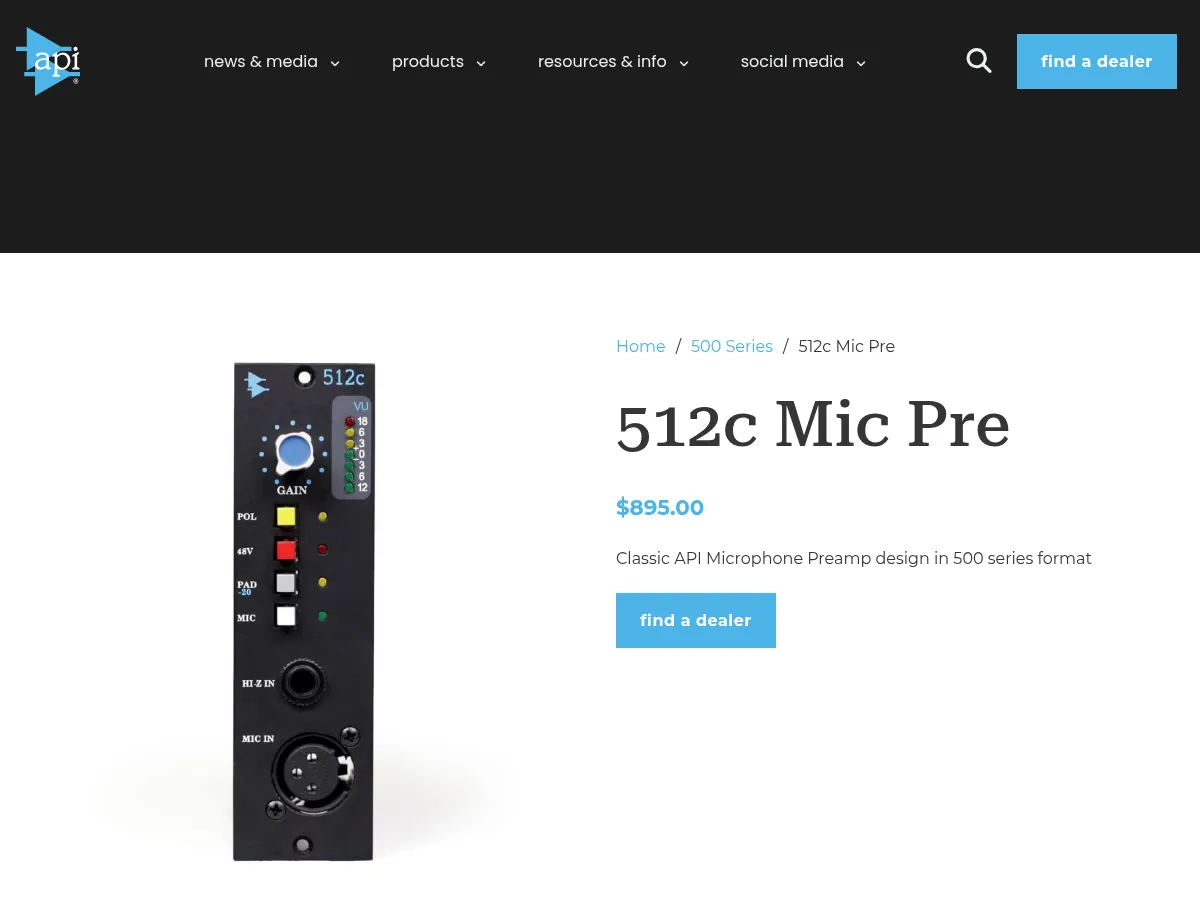
 API 512c Preamp
API
$895
Professional
United States
The API 512c delivers the punchy, aggressive American rock sound through its proprietary 2520 op-amp and custom output transformer in a modular 500-series format, providing the muscular midrange and impactful low end that defined rock recording.
API 512c Preamp
API
$895
Professional
United States
The API 512c delivers the punchy, aggressive American rock sound through its proprietary 2520 op-amp and custom output transformer in a modular 500-series format, providing the muscular midrange and impactful low end that defined rock recording.
 9
4.6
9
4.6
 Universal Audio 710 Twin-Finity
Universal Audio
$699
Intermediate
United States
Single-channel preamp with unique dual tube/solid-state topology and blend control, plus UA-designed output transformer for classic Universal Audio character.
Universal Audio 710 Twin-Finity
Universal Audio
$699
Intermediate
United States
Single-channel preamp with unique dual tube/solid-state topology and blend control, plus UA-designed output transformer for classic Universal Audio character.
 10
4.4
10
4.4
 Golden Age Project PRE-73 MKIV
Golden Age Project
$349
Beginner
Sweden
A convincing Neve 1073-style preamp with custom Carnhill transformers that makes transformer-coupled vintage warmth accessible, featuring variable saturation via independent input gain and output level controls.
Golden Age Project PRE-73 MKIV
Golden Age Project
$349
Beginner
Sweden
A convincing Neve 1073-style preamp with custom Carnhill transformers that makes transformer-coupled vintage warmth accessible, featuring variable saturation via independent input gain and output level controls.
 11
4.2
11
4.2
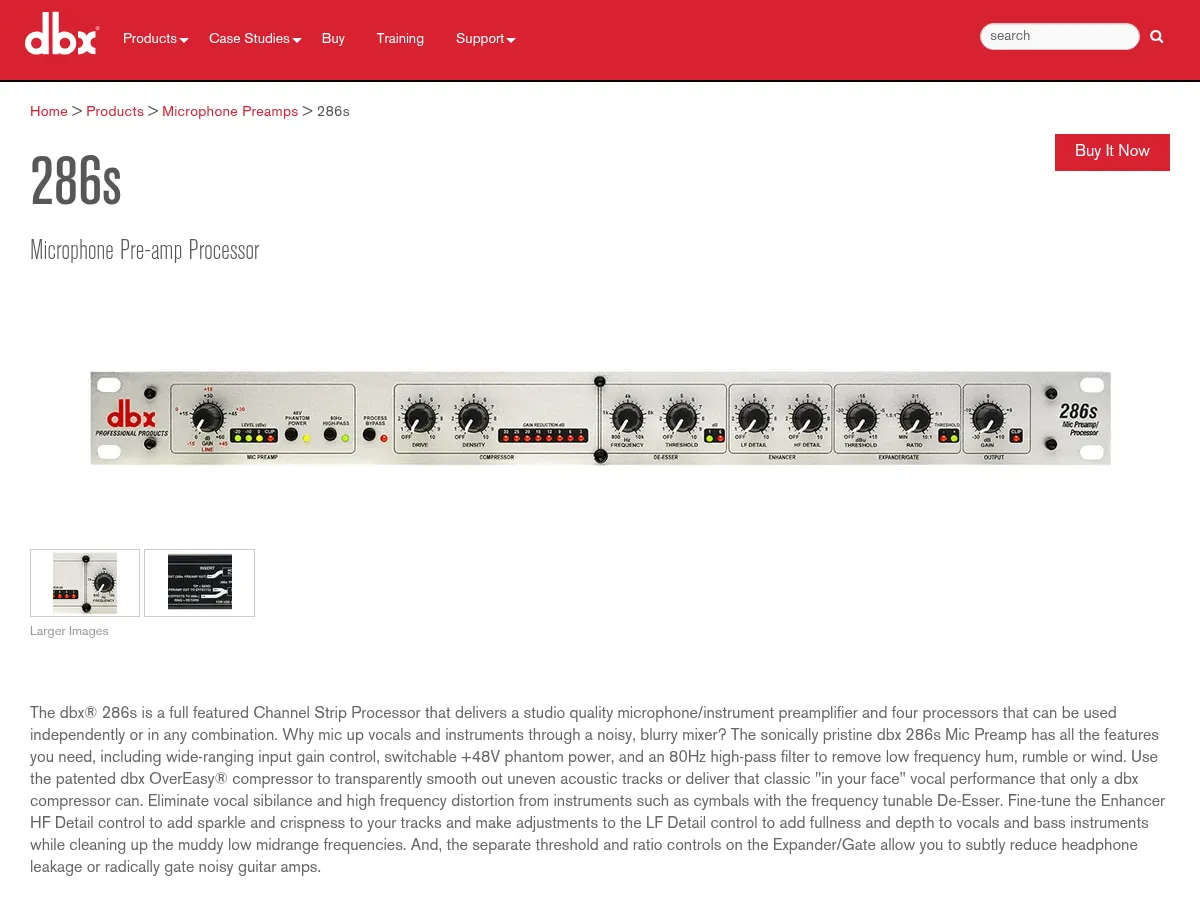
 Warm Audio WA-2A Optical Compressor
Warm Audio
$899
Professional
United States
Tube-driven optical compressor inspired by the legendary LA-2A, delivering smooth, musical program-dependent compression ideal for vocals and bass.
Warm Audio WA-2A Optical Compressor
Warm Audio
$899
Professional
United States
Tube-driven optical compressor inspired by the legendary LA-2A, delivering smooth, musical program-dependent compression ideal for vocals and bass.
 12
4.1
12
4.1
 dbx 286s Channel Strip
dbx
$199
Beginner
China
The dbx 286s combines a clean preamp with compressor, de-esser, gate, and enhancer in one rack unit, enormously popular among podcasters, voice-over artists, and broadcast professionals for complete single-channel vocal processing.
dbx 286s Channel Strip
dbx
$199
Beginner
China
The dbx 286s combines a clean preamp with compressor, de-esser, gate, and enhancer in one rack unit, enormously popular among podcasters, voice-over artists, and broadcast professionals for complete single-channel vocal processing.