Mixers - Directory w/ AI Reviews
Analog and digital mixing consoles for live sound and studio recording
Audio mixers (mixing consoles) combine, route, and process multiple audio signals into a unified output. They are the central hub of live sound, recording studios, and broadcast environments. Mixers range from compact analog units with a few channels to massive digital consoles with hundreds of inputs.
History
The first mixing consoles emerged in the 1930s for radio broadcasting, allowing engineers to blend multiple microphone signals. Rupert Neve designed groundbreaking consoles in the 1960s and 1970s whose warm, musical sound became the gold standard. The transition from analog to digital mixing began in the 1990s with the Yamaha 02R, and digital consoles now dominate both live sound and studio environments.
Characteristics
Each mixer channel typically includes a preamp, EQ section, auxiliary sends for effects and monitors, and a fader for volume control. Analog mixers process audio continuously and are valued for their straightforward operation and warm sonic character. Digital mixers offer recallable settings, built-in effects, remote control via tablets, and far more routing flexibility in a compact form.
Notable Players
The Neve 8028 and SSL 4000 series consoles defined the sound of countless classic recordings from the 1970s through 1990s. The Mackie 1402-VLZ set the standard for compact, affordable analog mixers when it was introduced in 1995. Yamaha's CL and QL series digital consoles are among the most widely used live sound mixers in touring and installed sound.
Fun Facts
The largest mixing console ever built was a Solid State Logic Duality SE with 96 channels, stretching over 12 feet wide. Rupert Neve's original hand-wired console transformers are so prized that individual modules sell for thousands of dollars on the vintage market.
 1
4.7
1
4.7
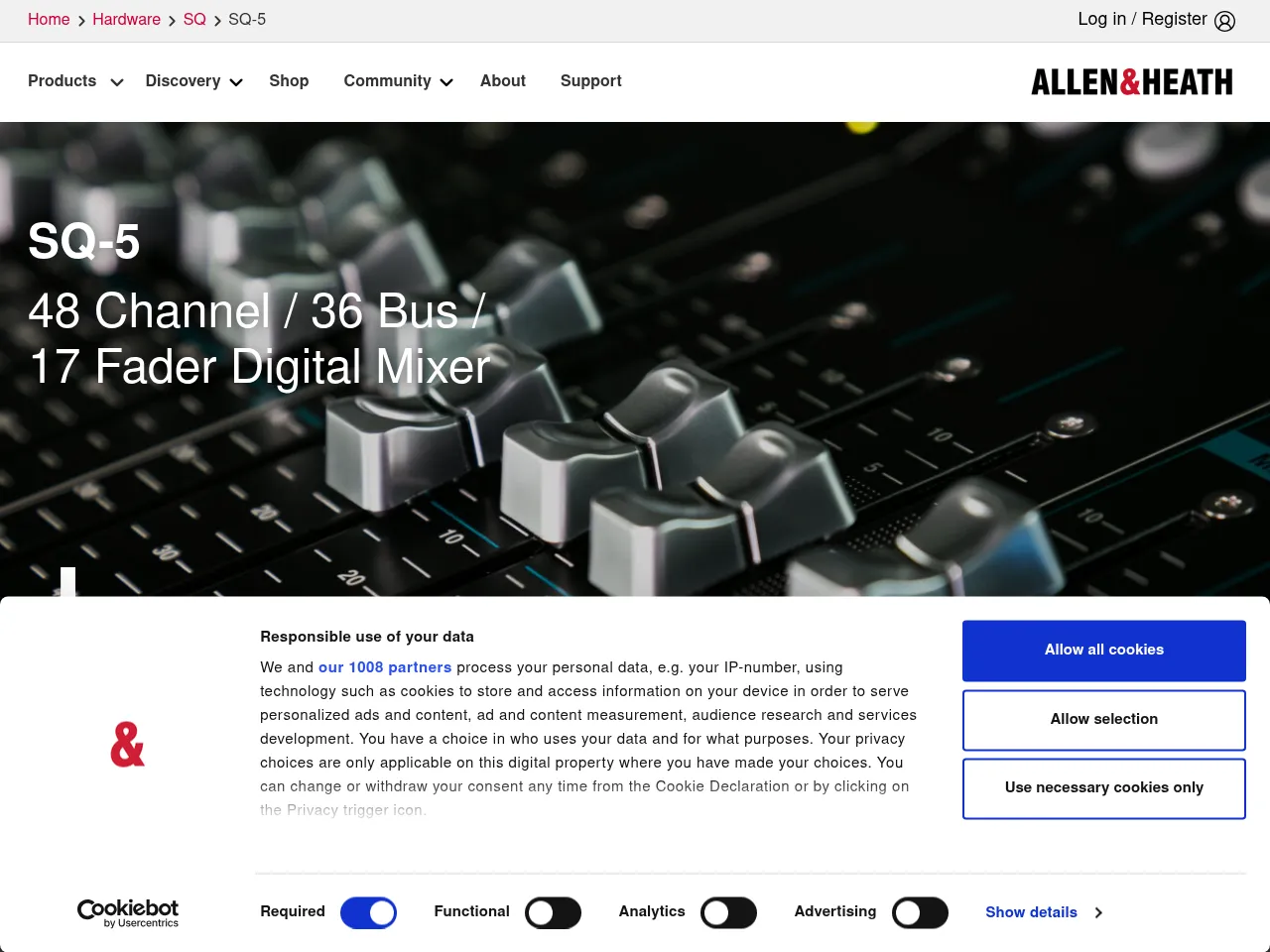
 Allen & Heath SQ-5 Digital Mixer
Allen & Heath
$3,299
Professional
China
The Allen and Heath SQ-5 is a 48-channel digital mixer built around a 96kHz FPGA processing engine that delivers broadcast-grade audio quality with lower latency than most competitors, a favorite among professional sound engineers and installed venues.
Allen & Heath SQ-5 Digital Mixer
Allen & Heath
$3,299
Professional
China
The Allen and Heath SQ-5 is a 48-channel digital mixer built around a 96kHz FPGA processing engine that delivers broadcast-grade audio quality with lower latency than most competitors, a favorite among professional sound engineers and installed venues.
 2
4.6
2
4.6
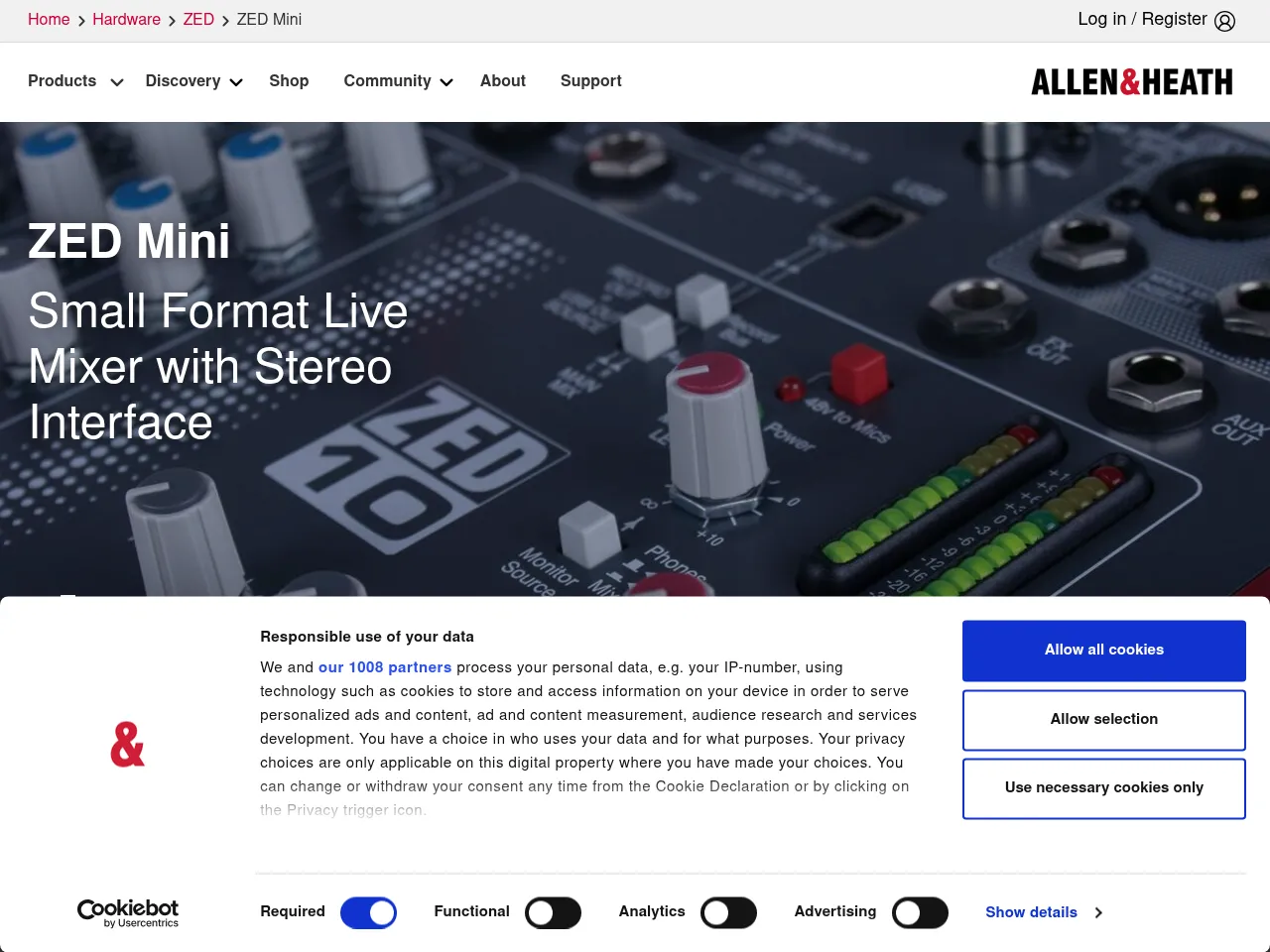
 Allen & Heath ZED-10FX Compact Analog Mixer
Allen & Heath
$269
Intermediate
China
The Allen and Heath ZED-10FX is a compact analog mixer that punches above its weight with acclaimed preamps, a genuinely good built-in effects processor, and a swept-mid EQ, ideal for small bands, acoustic performers, and podcasters.
Allen & Heath ZED-10FX Compact Analog Mixer
Allen & Heath
$269
Intermediate
China
The Allen and Heath ZED-10FX is a compact analog mixer that punches above its weight with acclaimed preamps, a genuinely good built-in effects processor, and a swept-mid EQ, ideal for small bands, acoustic performers, and podcasters.
 3
4.6
3
4.6
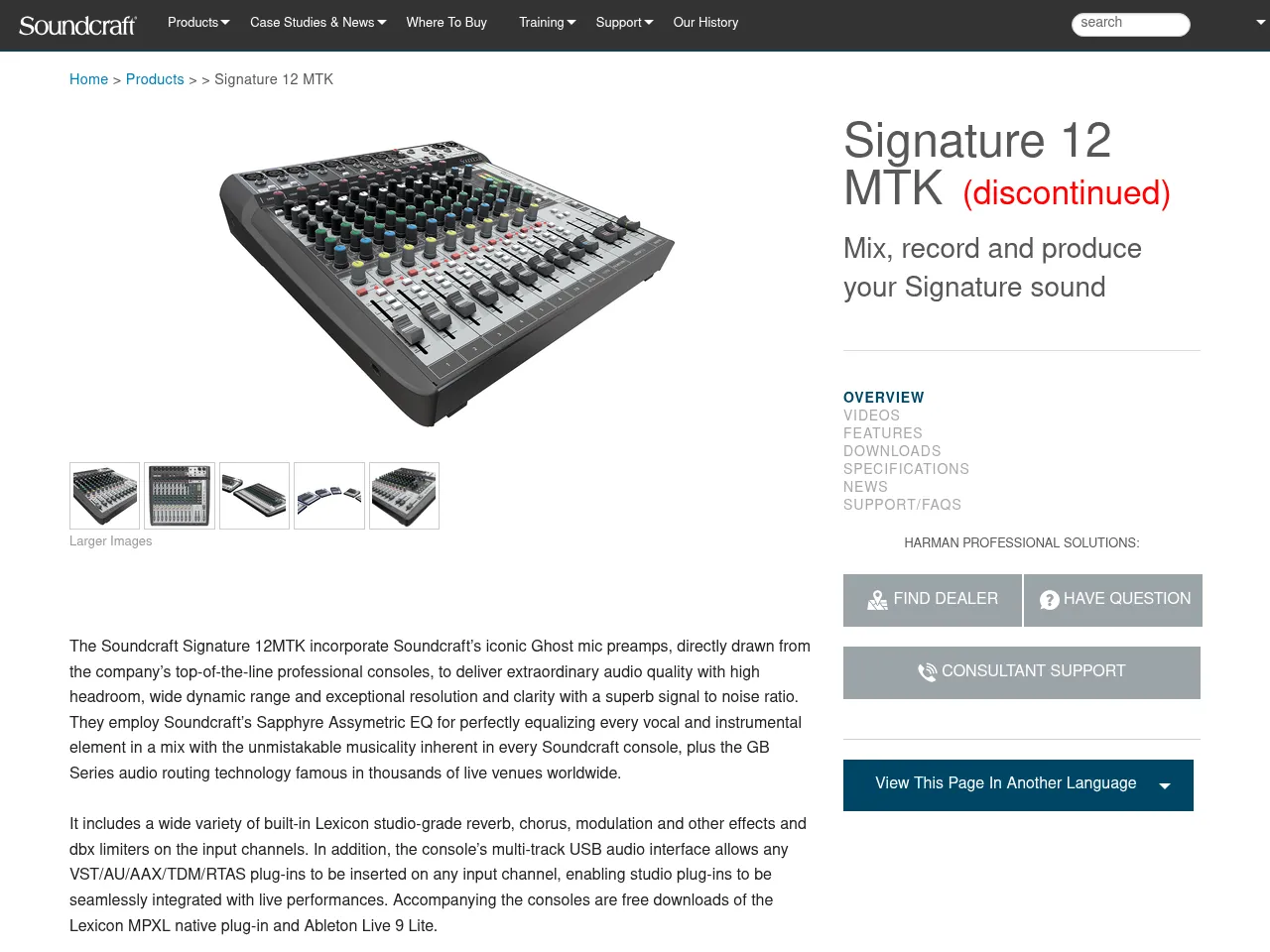
 Soundcraft Signature 12 MTK
Soundcraft
$549
Intermediate
China
12-channel analog mixer with 14-in/12-out USB multitrack recording, Ghost preamps, Sapphyre British EQ, and built-in Lexicon effects.
Soundcraft Signature 12 MTK
Soundcraft
$549
Intermediate
China
12-channel analog mixer with 14-in/12-out USB multitrack recording, Ghost preamps, Sapphyre British EQ, and built-in Lexicon effects.
 4
4.6
4
4.6
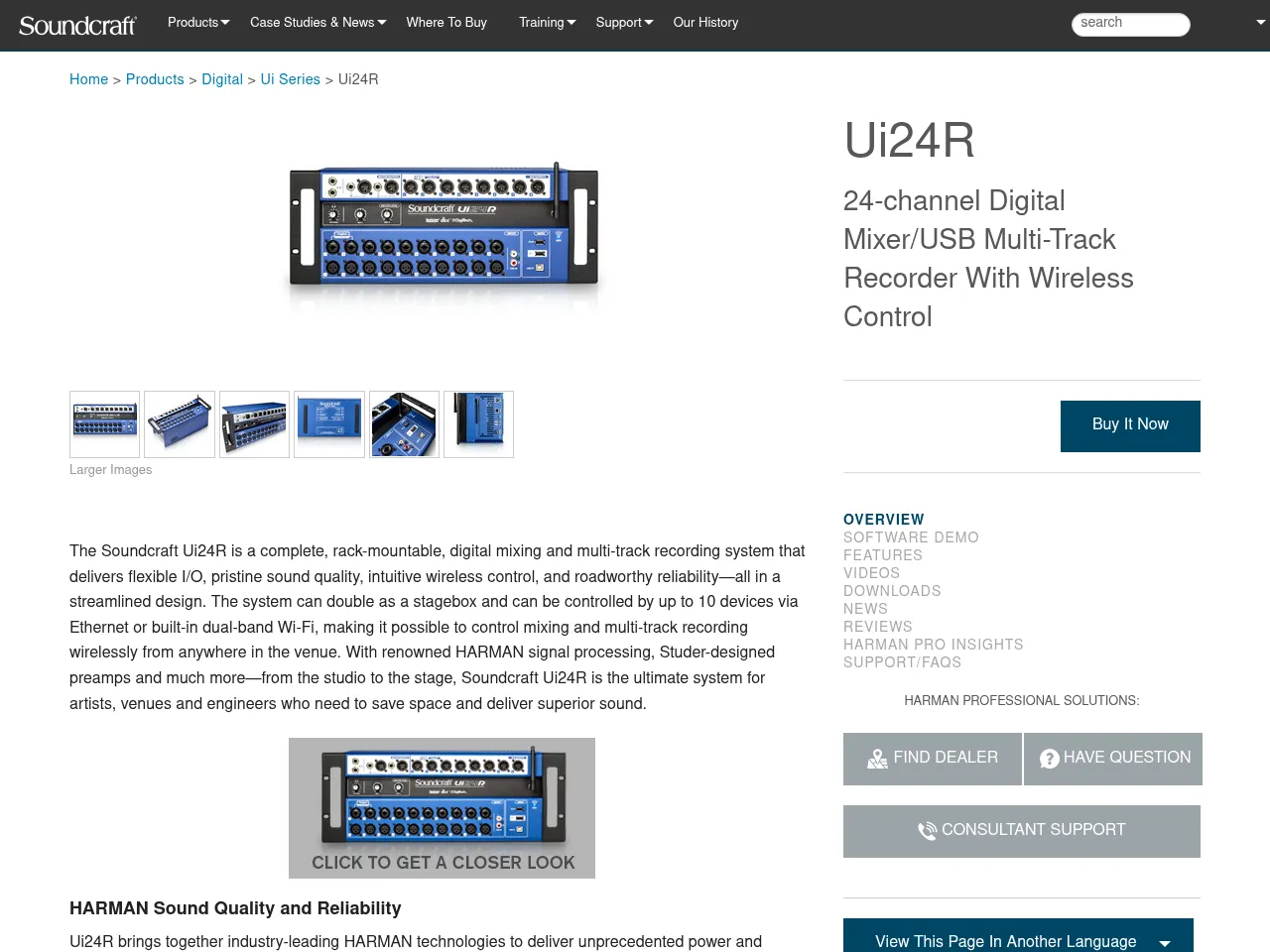
 Soundcraft Ui24R Digital Mixer
Soundcraft
$999
Advanced
China
24-channel rack-mount digital mixer with Studer-designed preamps, browser-based control from any device, and 24-track USB recording without a computer.
Soundcraft Ui24R Digital Mixer
Soundcraft
$999
Advanced
China
24-channel rack-mount digital mixer with Studer-designed preamps, browser-based control from any device, and 24-track USB recording without a computer.
 5
4.4
5
4.4
 Mackie DL32S
Mackie
$2,499
Advanced
China
A 32-channel wireless digital mixer controlled entirely via iPad, with stagebox design for short cable runs, 14 aux buses, and support for ten simultaneous device connections.
Mackie DL32S
Mackie
$2,499
Advanced
China
A 32-channel wireless digital mixer controlled entirely via iPad, with stagebox design for short cable runs, 14 aux buses, and support for ten simultaneous device connections.
 6
4.4
6
4.4
 Mackie ProFX12v3
Mackie
$249
Beginner
China
A 12-channel analog mixer with built-in USB audio interface, four Onyx preamps, sweepable midrange EQ, and 24 GigFX effects, built for gigging with Mackie's legendary ruggedness.
Mackie ProFX12v3
Mackie
$249
Beginner
China
A 12-channel analog mixer with built-in USB audio interface, four Onyx preamps, sweepable midrange EQ, and 24 GigFX effects, built for gigging with Mackie's legendary ruggedness.
 7
4.4
7
4.4
 Yamaha MG12XU Mixing Console
Yamaha
$329
Intermediate
China
Compact 12-channel analog mixer with clean D-PRE preamps, built-in SPX effects, USB recording, and a sweepable mid EQ for small bands and venues.
Yamaha MG12XU Mixing Console
Yamaha
$329
Intermediate
China
Compact 12-channel analog mixer with clean D-PRE preamps, built-in SPX effects, USB recording, and a sweepable mid EQ for small bands and venues.
 8
4.4
8
4.4
 Yamaha MG16XU
Yamaha
$499
Intermediate
China
Professional 16-channel analog mixer with eight D-PRE preamps, 24-bit USB recording, SPX effects, and one-knob compressors for versatile live and studio use.
Yamaha MG16XU
Yamaha
$499
Intermediate
China
Professional 16-channel analog mixer with eight D-PRE preamps, 24-bit USB recording, SPX effects, and one-knob compressors for versatile live and studio use.
 9
4.3
9
4.3
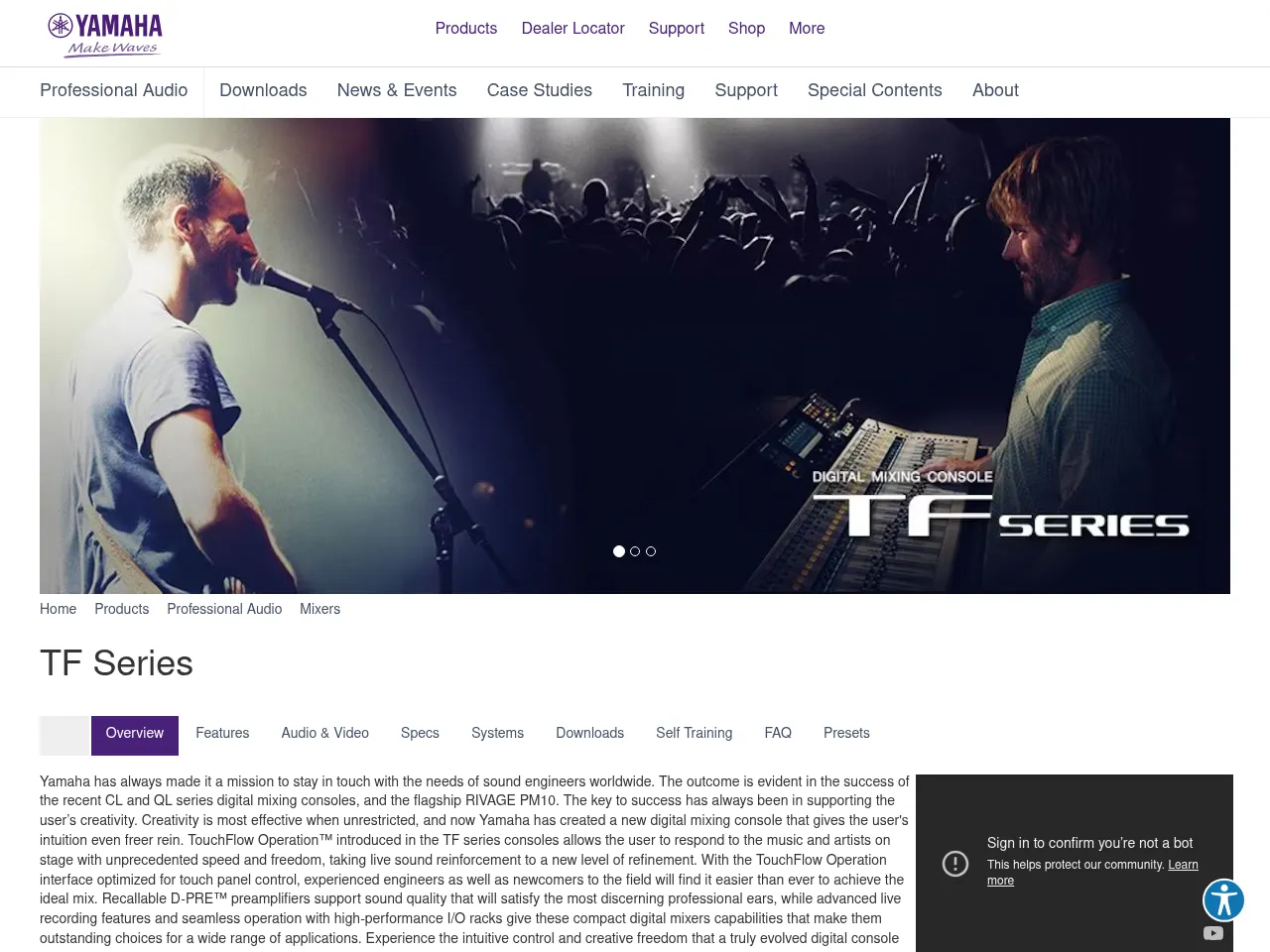
 Behringer XR18 X Air Digital Mixer
Behringer
$599
Intermediate
China
The Behringer XR18 X Air is an 18-channel digital mixer in a compact rack format controlled via wireless app, with Midas-designed preamps, an 18x18 USB interface for multitrack recording, and built-in Wi-Fi.
Behringer XR18 X Air Digital Mixer
Behringer
$599
Intermediate
China
The Behringer XR18 X Air is an 18-channel digital mixer in a compact rack format controlled via wireless app, with Midas-designed preamps, an 18x18 USB interface for multitrack recording, and built-in Wi-Fi.
 10
4.3
10
4.3
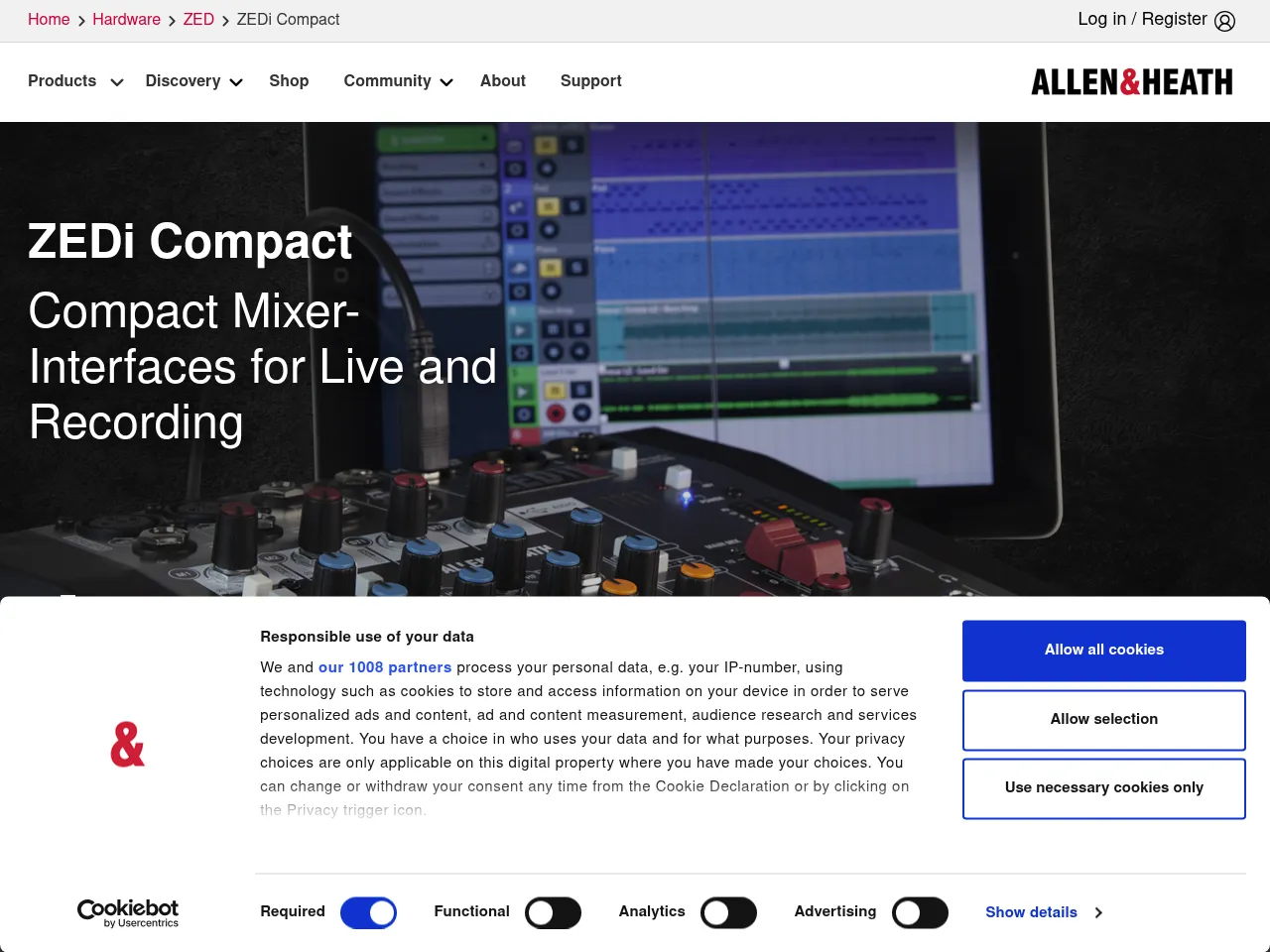
 Yamaha TF1 Digital Mixer
Yamaha
$3,999
Professional
Japan
Professional 40-input digital mixer with touchscreen interface and 1-Knob intelligent processing, designed for venues and worship settings with operators of varying experience levels.
Yamaha TF1 Digital Mixer
Yamaha
$3,999
Professional
Japan
Professional 40-input digital mixer with touchscreen interface and 1-Knob intelligent processing, designed for venues and worship settings with operators of varying experience levels.
 11
4.2
11
4.2
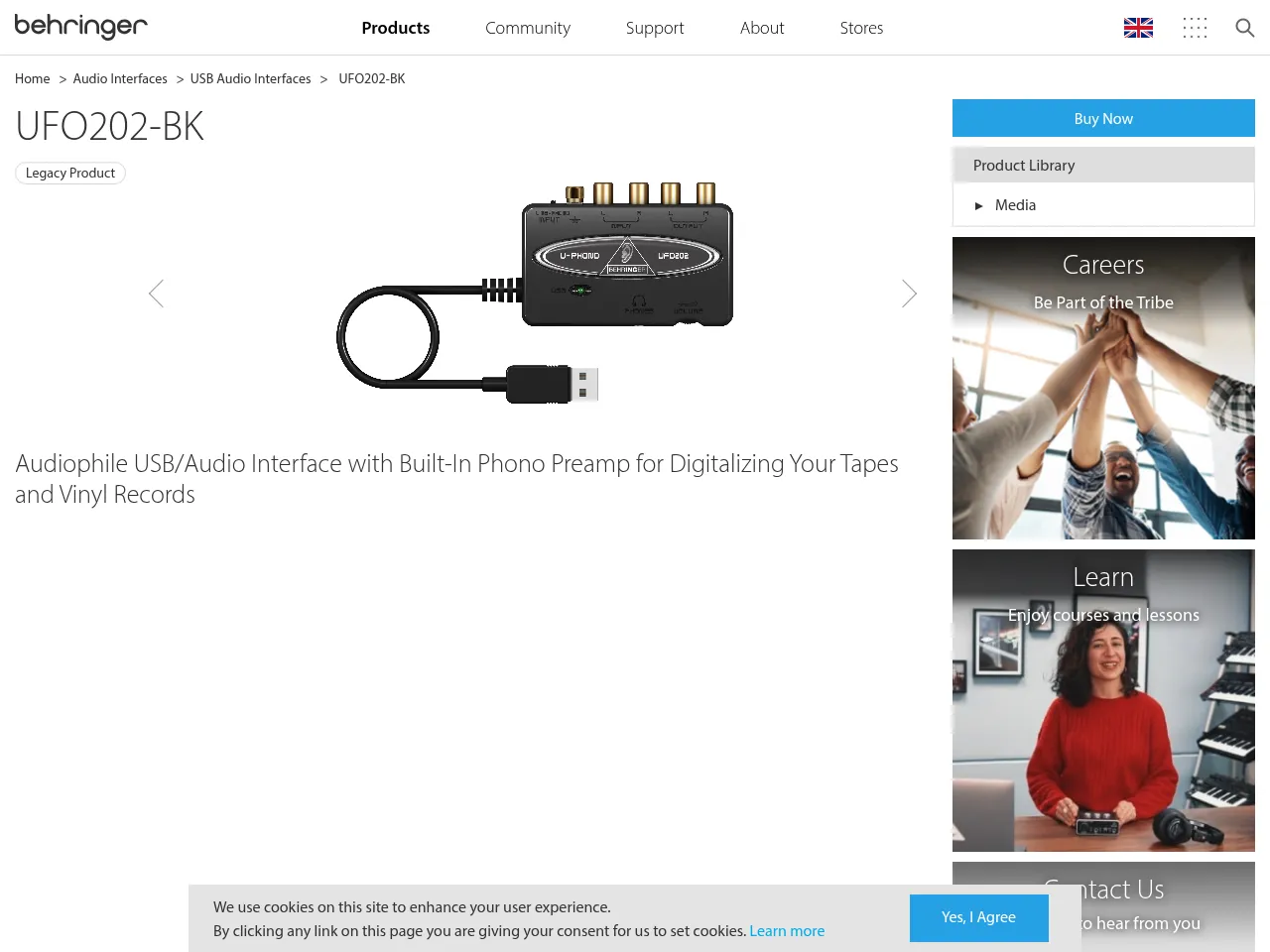
 Allen & Heath ZEDi-10FX
Allen & Heath
$279
Intermediate
China
The Allen and Heath ZEDi-10FX combines a portable mixer with a 4x4 USB audio interface at 24-bit/96kHz, featuring the same GSPre preamp design found in their larger professional consoles for refined British audio quality in a compact format.
Allen & Heath ZEDi-10FX
Allen & Heath
$279
Intermediate
China
The Allen and Heath ZEDi-10FX combines a portable mixer with a 4x4 USB audio interface at 24-bit/96kHz, featuring the same GSPre preamp design found in their larger professional consoles for refined British audio quality in a compact format.
 12
3.8
12
3.8
 Behringer Xenyx X2222USB
Behringer
$329
Beginner
China
The Behringer Xenyx X2222USB packs 22 inputs, British-style EQ, four subgroups, and a USB interface into an affordable mixer that makes large-format analog mixing accessible to bands, houses of worship, and community venues.
Behringer Xenyx X2222USB
Behringer
$329
Beginner
China
The Behringer Xenyx X2222USB packs 22 inputs, British-style EQ, four subgroups, and a USB interface into an affordable mixer that makes large-format analog mixing accessible to bands, houses of worship, and community venues.